Decentralized finance (DeFi) has grown from simple token swaps into a fast-moving marketplace for spot trading, lending, and perpetuals; often running 24/7 and reacting instantly to news and volatility.
As activity increases, the user experience can suffer: trades can fail, fees can spike, and execution can get worse when networks are congested or when bots exploit ordering advantages like (MEV). That’s why newer blockchains increasingly compete on speed, reliability, and smoother workflows, creating room for trading-oriented designs and Solana-style execution environments like the SVM and newer options such as Fogo.
Quick answer: Should You Use Fogo?
Our 10-second verdict
Fogo is an SVM-based Layer 1 built to make trading-heavy DeFi feel faster and less “clicky,” combining Solana-style execution with latency-focused network design choices like zone-based validator coordination and a curated validator model. The biggest caveat is that it’s still an emerging ecosystem, so reliability, liquidity depth, and decentralization properties should be treated as higher-uncertainty than long-established networks.
Who Fogo is for
- Active onchain traders who value low friction and quick confirmations.
- Solana/SVM-native users who want a familiar environment with a different UX and performance focus.
- Power users intrigued by session-style approvals such as Fogo Sessions.
Who should avoid it for now
- Users prioritizing long track records and battle-tested infrastructure.
- Anyone uncomfortable with a more curated validator approach.
Key takeaways
- SVM-style execution keeps the developer and user experience familiar.
- Sessions can reduce repeated signing and enable gasless-style app flows.
- Performance-focused design introduces different decentralization tradeoffs.
- Treat it like a newer chain: start small, verify everything, and scale up only after confidence builds.
What is Fogo?
Fogo is a Layer 1 blockchain designed for DeFi apps where speed and smooth execution matter most, especially trading. It’s built on Solana-style architecture and runs the Solana Virtual Machine (SVM) , which is the “engine” that executes transactions and smart contracts.
 SVM Compatibility is like Using the Same Charger across Devices. Image via Fogo
SVM?
In everyday terms, SVM compatibility is like using the same charger across devices: developers can often reuse existing Solana programs and familiar tooling instead of rebuilding everything from scratch. For example, Fogo’s docs state that Solana programs can be deployed on Fogo without modification.
According to Fogo, the client is based on Firedancer and the network uses a “multi-local” approach intended to reduce latency. For users, the goal is to remove friction in common DeFi workflows. A core example is Fogo Sessions , a chain feature designed to let people interact with apps without paying gas or signing every single transaction. It is more like granting a time-limited permission for a set of actions, then using apps normally until it expires or is revoked.
Fogo Features: What Stands Out
Fogo positions itself as an SVM-based Layer 1 built around low-latency DeFi and trading workflows, with a few user-facing features meant to reduce friction while keeping the Solana-style developer experience familiar. Fogo’s homepage and official docs are the best places to verify what’s live today versus what’s still being iterated.
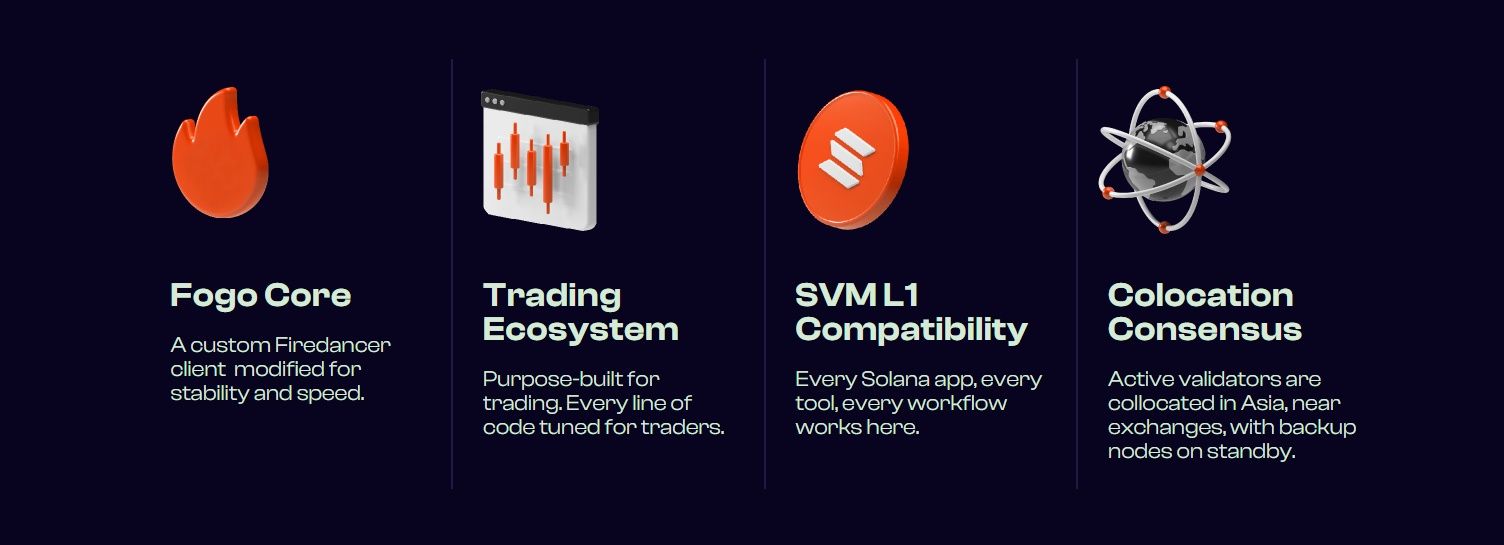 Fogo Positions Itself as an SVM-based Layer 1 Built around Low-Latency DeFi and Trading Workflows. Image via Fogo
Trading-first performance focus
Fogo’s messaging is explicit about optimizing for speed and execution.
- Emphasis on low-latency block production and confirmations.
- A design built around geographic coordination as part of its “multi-local” approach.
Fogo Sessions: fewer signatures, “gasless” app use
The clearest end-user differentiator is Sessions, described as a chain primitive that lets users interact with apps without paying gas or signing every individual transaction.
- App use can feel more like granting a time-limited permission than repeatedly approving pop-ups.
- There’s also a documented developer pathway for integrating Sessions into apps.
Solana-style workflow reuse
Fogo states it is fully compatible with the Solana runtime (SVM) and RPC interface, which means standard Solana tooling can be used by pointing it at Fogo endpoints.
- Use the Solana CLI as a starting point.
- Follow the official Solana CLI installation guidance when setting up tooling.
Ecosystem visibility and infrastructure
For basic “day one” usability, Fogo points users to explorers and infrastructure components:
- Transaction/account visibility via Fogoscan.
- Documented cross-chain connectivity via Wormhole / Portal Bridge.
- A purpose-built RPC layer described in the docs as FluxRPC.
How Fogo Works: Architecture and Design Choices
Fogo’s architecture combines a Solana-style execution environment with network-level choices designed to reduce latency for trading-heavy DeFi. The easiest way to think about it is: keep the same “engine” developers already understand, then optimize how quickly the network can agree on what happened.
 Fogo’s Architecture Combines a Solana-Style Execution Environment with Network-Level Choices. Image via Fogo
SVM Execution Layer
Fogo is designed to run programs in a way that stays compatible with the Solana Virtual Machine (SVM).
- That matters because it can reduce the “rewrite tax” for builders and helps users see familiar patterns in wallets, tooling, and app behavior.
- Developers can deploy many Solana programs to Fogo with minimal changes.
Tooling can often be reused by switching to a Fogo endpoint, rather than learning a brand-new stack.
Zone-based Consensus and Epoch Rotation
On Fogo Testnet, the network is set up around zone rotation across epochs.
A simple analogy is “moving the meeting room”: if everyone who needs to agree on the next block is closer together, they can coordinate faster, but the network then needs a plan for rotating locations over time.
Validator Client and Performance Plumbing
Fogo’s validator software is shipped as a source distribution with frequent updates listed under Releases. A key design choice is leaning on the Firedancer ecosystem, which is a high-performance Solana validator client written in C, with an intermediate hybrid known as Frankendancer.
Design Choices At a Glance
| Design choice | What it is | Why it matters |
|---|---|---|
| SVM compatibility | Solana-style execution and program model | Easier app migration and familiar UX patterns. |
| Zones | Zone rotation across epochs | Targets lower latency while avoiding being “stuck” in one region. |
| Firedancer lineage | High-performance validator client family | Focus on throughput and low-latency networking. |
| High node requirements | Beefy hardware guidance for operators | Signals performance goals, but raises the bar for validators. |
Sessions Explained: How “Gasless” Interactions Work
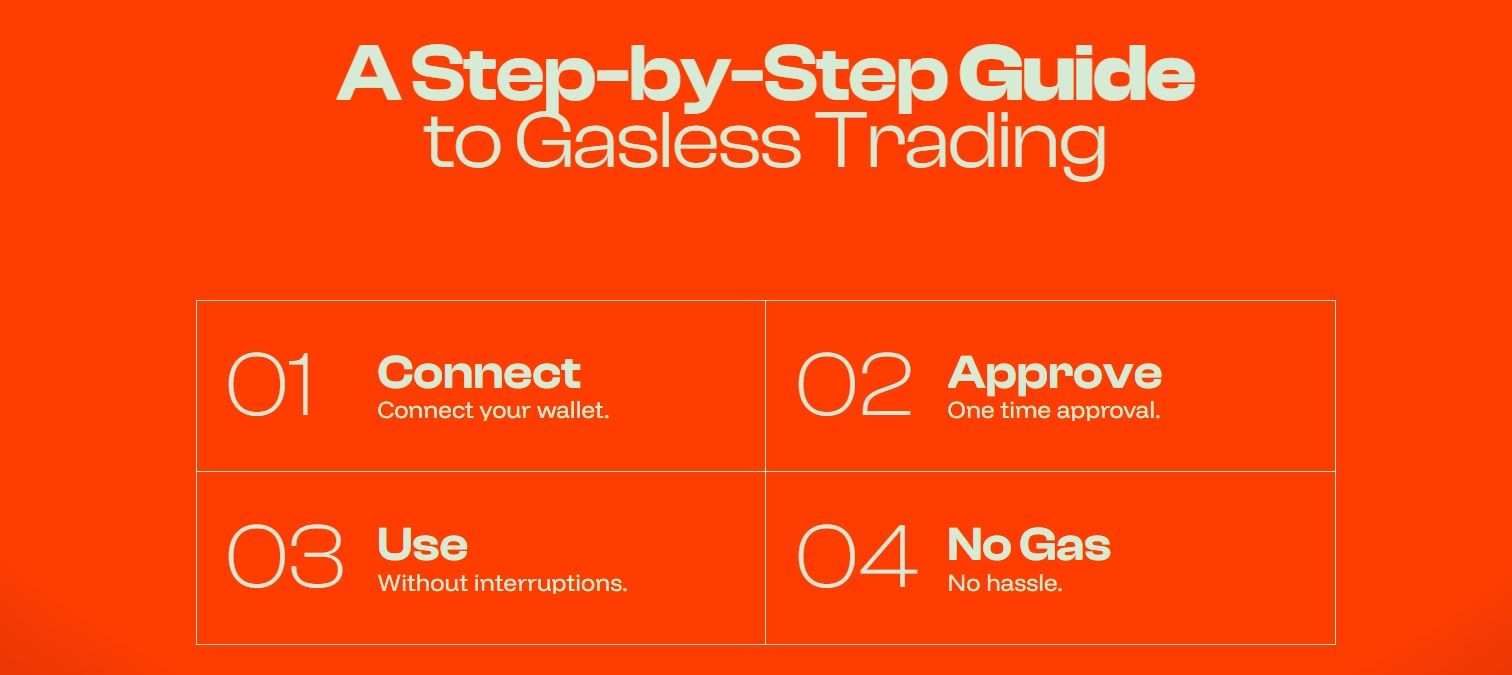
Fogo Sessions are designed to cut down the two biggest sources of DeFi friction: repeated wallet approvals and paying small fees over and over. A good mental model is a temporary “permission slip” for a specific app, which is more convenient than signing every step, but only safe when tightly scoped.
 Sessions Can be Limited or Unlimited. Image via Fogo
What a Session is
A Session uses session keys so an app can carry out pre-approved actions for a limited time, without prompting you to sign each transaction. On the UX side, Fogo frames this as a single sign-on experience across supported apps.
How Sessions Typically Behave
Sessions can be limited or unlimited.
Limited sessions are “guard-railed”:
- You specify which tokens the app can touch,
- You set how much of those tokens it’s allowed to interact with.
This is useful when you want to try a new app without moving funds to a separate wallet.
Unlimited sessions prioritize convenience:
- Unlimited token access. Fewer interruptions during high-frequency workflows.
Unlimited sessions are best reserved for apps you trust and for shorter durations.
A built-in safety check is the domain field, which must match the app’s origin domain, which is helpful for reducing certain phishing and XSS-style tricks.
Benefits and Risks
Benefits
- Less signing fatigue during multi-step DeFi actions.
- Gasless-first UX where apps can sponsor fees, so users aren’t blocked by gas.
Risks
- Approving too-broad permissions (especially unlimited sessions).
Ecosystem and Integrations
For a newer chain, “ecosystem” really means one thing: can you connect, move funds, see what’s happening onchain, and get reliable market data without jumping through hoops. Fogo lays out the core building blocks it expects apps and users to rely on.
 Fogo Lays out the Core Building Blocks it Expects Apps and Users to Rely on. Image via Fogo
What Matters Most for a New Chain
- Wallet compatibility: The ability to connect with an SVM wallet via Fogo Sessions and standard Solana-style keypairs.
- Explorer visibility: Somewhere you can verify transactions and contracts, like Fogoscan.
- Reliable RPC: Fast, consistent access to chain data through an RPC layer such as FluxRPC.
- Oracles: Pyth Lazer provides credible price feeds for trading apps.
- Indexing: Low-latency data pipelines for dashboards and analytics, like Goldsky.
- Bridging: A way to move assets across chains via Wormhole and Portal Bridge.
Practical Signals of Maturity
- You can track activity end-to-end on an explorer, not just connect a wallet.
- Bridges are live and clearly documented, with user-facing tooling rather than “coming soon.”
- Core infra is present beyond trading apps: oracles, indexing, and operational tools like Squads multisig and Metaplex.
You can find more information in our guide on cross-chain bridges.
FOGO Token and Network Incentives
Fogo’s network economy is built around $FOGO, with a design that aims to keep day-to-day app usage smooth while still giving the chain a native asset that can fund security and long-term development.
 Fogo has Run a Points-Style Program called Fogo Flames. Image via Fogo
What the token is for
Based on Fogo’s published tokenomics, $FOGO is intended to support three core functions:
- Network gas: $FOGO is described as the “native fuel” for transactions, with DApps able to sponsor costs to create a gas-free experience for end users.
- Staking yield: token holders and validators are described as earning native yield for securing the network.
- Ecosystem flywheel: Fogo describes a foundation-led grants and investment model where some partners commit to revenue sharing back to the ecosystem.
What still remains unclear from official materials: a detailed, user-facing breakdown of governance powers for regular token holders versus validators, beyond the project’s broader “community ownership” framing.
Incentives and participation programs
Fogo has run a points-style program called Fogo Flames. The important nuance is that Flames are explicitly treated as points, not money.
As per Fogo’s Terms of Use:
- Flames are “virtual items” with no monetary value and are not transferable outside the interface.
- Flames can be modified or wiped, and the interface can be discontinued.
- Accruing Flames may make users eligible for additional promotions, but nothing is guaranteed.
Separately, Fogo’s tokenomics publication shared above also outlines a community airdrop allocation as part of its broader distribution plan, including a stated “Jan 15” distribution tied to public mainnet launch and a bucket reserved for future campaigns.
What readers should verify themselves
- The latest official token distribution and unlock schedule details.
- Any eligibility rules, geographic restrictions, and timing for promotions.
- Scam hygiene: never send funds to “claim” rewards, and watch for impersonation and phishing. FTC guidance on crypto scams and the FBI’s IC3 warning on airdrop phishing are worth reviewing before interacting with incentive links.
Risks and Tradeoffs
Fogo’s “fast, low-friction” design can be appealing for active DeFi users, but it also comes with tradeoffs that matter more on newer networks and trading-focused ecosystems.
 Review Bridge Design and Security Assumptions before moving Size. Image via Fogo
New-Network Risk
Early-stage chains tend to change quickly, which can create reliability and UX surprises.
- Evolving software: frequent client and network updates can introduce breaking changes.
- Operational instability: downtime, degraded performance, or incomplete tooling is more common before a network has years of production history.
- Fast-moving docs: documentation can lag behind changes, so it’s worth cross-checking core assumptions in Architecture.
Decentralization and Governance Tradeoffs
Fogo describes a curated validator set as part of its performance model.
- Higher validator bar: curation and higher operational requirements can reduce the number of eligible operators.
- Policy and governance risk: networks with tighter coordination can move faster, but may also concentrate decision-making (even if only temporarily).
Smart Contract and Integration Risk
Even if the base layer is fast, DeFi risk often lives in the apps and their dependencies.
- Contract bugs: smart contracts can fail in unexpected ways.
- Oracle failures/manipulation: if price feeds break or are attacked, trading venues can misprice assets.
- Liquidation mechanics: leveraged trading can liquidate positions quickly during volatility.
Bridge Risk
Bridges are often the highest-risk step because they create extra trust assumptions beyond the chain itself.
- Review bridge design and security assumptions before moving size, as described in the Wormhole documentation.
Important: Speed and gasless UX don’t remove smart contract, bridge, or user-error risk.
How To Start Using Fogo Safely
It is wise to have a clear checklist or plan before diving into something new. Let's take a quick look at what things matter before you can start using Fogo safely.
 Prefer Limited Sessions when Possible, and Keep them Time-Bound. Image via Fogo
Pre-flight checklist
- Use only official entry points like fogo.io and the Fogo start page, and get into the habit of typing the address or using a trusted bookmark instead of clicking random links to avoid phishing.
- Use a dedicated “hot wallet” for testing new chains and apps (treat it like a spending card, not your savings account).
- Start with small test amounts first so mistakes are cheap to fix.
First actions to try
- Connect your wallet and do a small transfer-in using the steps on Fogo’s start flow.
- Verify the deposit and your address activity on an explorer like Fogoscan.
- Try one low-risk interaction (small swap or simple app action) before doing anything time-sensitive or large.
Session Hygiene
- Prefer limited Sessions when possible, and keep them time-bound.
- When you’re done, clear/revoke the Session rather than leaving it open.

Final Thoughts: Should You Try Fogo?
Fogo is trying to solve a very specific problem: making onchain trading and DeFi interactions feel fast and low-friction without forcing users and developers to abandon the Solana-style environment they already understand. The key is to approach it like any newer network, so test thoughtfully, keep risk contained, and focus on what’s usable today rather than what’s promised for later.
Bottom Line Summary
Whether Fogo is worth trying depends on what you want to do.
- If you’re an active DeFi trader who values fewer interruptions and a smoother flow, it’s reasonable to explore Fogo in a small, controlled way, especially if features like Fogo Sessions match your workflow.
- If you’re a builder who already understands Solana-style development, Fogo’s SVM compatibility can reduce the learning curve.
- If you prioritize long track records and maximum predictability, you may prefer to wait until the network and its core tooling have seen more time in the wild, and the economics are clearer from the full tokenomics.
The One Thing To Watch Going Forward
The biggest “make-or-break” factor is whether Fogo can sustain reliable performance under real usage while the ecosystem grows. In practice, that means: consistent network operation, enough real liquidity to keep execution clean, and a safety-first user experience that holds up as more apps integrate features like Sessions.
You can go through some of our exclusive reading material for a better understanding: