


Before going into the details on how to buy Monero, here’s a simple explanation of what it is: Monero is a privacy‑focused, blockchain‑based cryptocurrency that makes every transaction confidential by default. For example, with XMR, the network keeps private who sent what, to whom, and which coins were used.
In this guide, you will walk through every step of buying Monero. You’ll learn:
- How to purchase XMR on standard crypto exchanges using cash or other cryptocurrencies
- Ways to buy Monero more privately through peer-to-peer trades and swap platforms
- The most reliable wallets for keeping your XMR secure
- All about the fees involved and ways to cut them
- Legal, regulatory and tax domains that cannot be ignored.
This guide clearly explains Monero's operations, its strong community, and the risks of owning a privacy coin. Before we dive into details, there is a 3-step section for beginners. For a complete guide on Monero, you can also check our article here.
Buy Monero (XMR) in 3 Simple Steps
Monero is harder to access than most altcoins in 2025. These three steps walk you through picking a platform that still supports XMR, getting verified, and buying without wasting time or fees.
Start by checking where XMR is actually tradable in your region. Kraken has been a reliable venue for XMR pairs in many countries. KuCoin is still seen as one of the more Monero-friendly exchanges for international users.
Binance used to be a major hub for Monero but removed all XMR spot pairs in February 2024. If you see XMR on Binance or any other exchange, double-check that deposits, withdrawals, and new orders are still allowed where you live.
Before you commit to an exchange, quickly confirm:
- XMR deposits and withdrawals are open for your country.
- Spot pairs like XMR/USDT or XMR/BTC are live and trade with decent volume.
- There are no fresh announcements about delistings or privacy-coin restrictions.
On most centralized exchanges, you need to complete KYC before you can use bank transfers or cards. Expect to:
- Sign up with an email and strong password.
- Upload a government ID (passport, ID card, or driver’s licence).
- Complete a selfie or liveness check.
- Sometimes, provide proof of address, such as a bill or bank statement.
KYC is required by law in many places. In return, you get easier fiat ramps and higher limits. If that trade-off feels too invasive, crypto-only swaps and more decentralized paths are the alternatives, but they are less beginner-friendly.
Once verified, add funds to your account and turn them into XMR:
- Bank transfer: usually the cheapest way to move larger amounts, but slower.
- Card payment: fast and simple, with higher fees built in.
- Crypto deposit: send BTC, ETH, or USDT in, then trade into XMR.
When your balance arrives, search for “XMR,” choose the XMR/fiat or XMR/USDT pair, and place a market order for speed or a limit order if you want tighter control over your entry price. After you buy, move the XMR into your personal wallet rather than leaving it on the exchange.
What Is Monero?
Before you buy, it helps to know what you’re actually getting. Monero is built to protect privacy, and its design really matters for how securely you store and use it.
 Monero Is A Privacy‑Focused, Blockchain‑Based Cryptocurrency. Image Via Shutterstock
Monero Basics
In 2014, Monero was created as a result of a Bytecoin fork. Its anonymous author used the pseudonym “Nicolas van Saberhagen,” and the early community shaped Monero into what it is now: a fully open-source, community-run privacy currency.
Over time, Monero’s market cap has moved through several full bull and bear cycles. It has ranged from under $100 million in its early days to several billion dollars during peak markets. The exact number changes with price, but Monero has remained one of the top privacy-focused coins by valuation for many years. Monero's goal is to be quick, affordable, uncensored, and private. The official site describes it as secure, private, and untraceable digital money designed for fast, inexpensive payments anywhere in the world.
Let’s talk about fungibility in Monero. Fungibility means that each coin is interchangeable with any other coin of the same type. In cryptocurrencies like Bitcoin, every unit can be traced. That means coins used in hacks or illegal markets show a “history,” which can make them less acceptable or even rejected by some businesses.
In Monero’s case, because transaction histories are hidden, individual XMR coins cannot be singled out. That makes Monero more fungible in practice. Most cryptocurrencies have a hard cap or decreasing block rewards that eventually approach zero. Monero did something different. Once the main emission schedule ended, it introduced a “tail emission," a small, constant block reward that continues forever.
The base block reward for miners is 0.6 XMR per block, and it never changes. Thus, miners remain incentivized, even if transaction fees drop. It also avoids relying solely on fees like Bitcoin may one day have to do.
For you as a buyer, this means Monero has a controlled but unlimited supply. Inflation is low but non-zero, and the network can keep paying for its own security.
How Monero’s Privacy Works
Ring signatures
Ring signatures hide the sender. When you send XMR, the transaction input is mixed with several decoy inputs from other users. To someone looking at the blockchain, it appears as if any one of those inputs could be the real one. They can’t tell which one belongs to you.
Stealth addresses
Stealth addresses hide the receiver. Instead of sending funds to a static address that appears on-chain, your wallet generates a one-time destination for each transaction. Only the recipient, using their private view keys, can scan the blockchain and see which outputs belong to them.
RingCT
Ring Confidential Transactions (RingCT) hide the amount being sent. Observers can’t see how much XMR is moving between addresses, only that a valid transaction took place. This makes chain analysis far more difficult.
Key comparisons: Bitcoin vs Zcash vs Monero
- Bitcoin: Transparent by default. Every amount, address, and history is visible. Privacy requires external tools.
- Zcash: supports shielded and transparent addresses. Privacy is optional and depends on whether users use shielded pools.
- Monero: Privacy by default. Every transaction uses ring signatures, stealth addresses, and confidential amounts. There is no public, readable ledger of balances.
Why Buy Monero? Benefits & Use Cases
Privacy
You might buy XMR simply because you don’t like exposing every financial move to the public. With Monero, your purchases, salary payments, or transfers don’t show up on a block explorer in plain text.
Fungibility
You don’t need to worry about “dirty coins” in the same way you might with Bitcoin or other transparent assets. One XMR is as good as any other XMR.
Security
Monero’s mining runs on a proof‑of‑work algorithm called RandomX, which was built so that ordinary CPUs can mine Monero. Thus, you don’t need any special hardware. The algorithm helps keep mining decentralized, which does not allow a single group to control the network.
Hedge against surveillance
As financial systems move toward more tracking, Monero gives you an “off-grid” option. It’s not magic and doesn’t make you invisible, but it reduces how much of your financial life is exposed on a public blockchain or centralized database.
Risks, Limitations & Regulatory Concerns
Delisting risk
Because Monero makes tracking difficult, some regulators and law enforcement agencies view it as high risk. This has led to delistings on several major exchanges, including Binance and regional restrictions on Kraken for certain European users.
Availability issues
If you live somewhere with strict crypto rules, you might find it hard to get Monero on a regulated exchange. In many places, your best (or only) options will be crypto‑to‑crypto swaps, decentralized platforms, or exchanges based outside your region.
Not ideal for beginners seeking convenience
If you want a simple “download an app, tap buy, and forget about it” experience, Monero may feel more demanding. You need to think about wallets, seed phrases, and privacy hygiene. Some mobile wallets do make this easy, but there is still more to learn than just buying a meme coin on a popular app.
Legal considerations
The legality of Monero varies. In many countries, it is legal to own XMR but harder to trade on regulated platforms. In other countries, privacy coins may be explicitly discouraged or restricted under AML rules. Make a habit of looking into your local laws before getting into Monero.
 Monero Is Often Seen As High Risk By Some Regulators And Law-Enforcement Agencies. Image via Shutterstock
Where to Buy Monero (Best Platforms Ranked)
You have four major ways to deal with crypto: centralized exchanges, peer‑to‑peer (P2P) platforms, decentralized swaps, and special wallets that use swap services. Each has trade‑offs when it comes to privacy, convenience, and cost.
Centralized Exchanges (KYC)
This guide will now provide an overview of the main centralized exchanges that have historically supported Monero, but keep in mind that listings and restrictions can change often for privacy coins.
Kraken
- Strengths: Known for strong security, clean interface, and transparent proof-of-reserves reporting. It has been one of the more professional venues for trading XMR pairs.
- Fees: Tiered fee schedule with relatively low maker/taker fees, especially for high-volume users. Bank deposits can be cheap. Maker fees start around 0.25% and can drop to 0.00%; taker fees start around 0.40%, falling to ~0.10% for high-volume traders.
- Fiat support: Supports multiple fiat currencies via bank transfer and sometimes card methods, depending on region.
Our full Kraken review covers all that in detail.
Binance
- Strengths: Historically offered deep liquidity and many XMR trading pairs. Many users still associate Binance with privacy coin trading.
- Fees: Very low spot fees, often reduced further if you pay with BNB or reach higher VIP levels. Typical spot trading fees begin at 0.10% maker / 0.10% taker, with discounts if you pay with BNB or reach VIP tiers
- Fiat support: Wide fiat coverage globally through local partners and P2P, but XMR trading and support have been heavily reduced or removed for regulatory reasons. As of 2024, Binance delisted XMR spot pairs, so you may not be able to trade it directly.
Head over to our full Binance review for more information.
KuCoin
- Strengths: Still one of the more XMR-friendly centralized exchanges for international users. Supports multiple XMR pairs and tends to list privacy coins that others drop.
- Fees: Competitive maker/taker fees, with further discounts for paying fees in KCS (KuCoin’s token). KuCoin charges a 0.020% maker / 0.060% taker fee on its standard futures trading.
- Fiat support: Has some fiat on-ramp options via third-party providers, but not as deep as the biggest exchanges.
Read our KuCoin review.
- Strengths: Popular among altcoin traders and users looking for coins that larger exchanges don’t support. XMR trading is often available.
- Fees: Competitive spot and futures fees with occasional discounts and fee promotions. MEXC usually offers 0.00% maker / 0.05% taker on spot trades — among the lowest trading fees available.
- Fiat support: Limited. Relies heavily on third-party partners for card purchases and P2P fiat options.
Read out MEXC review.
- Strengths: Older, more advanced exchange favored by some professional traders. Has offered privacy coin markets historically.
- Fees: Tiered and volume-based. Active traders can achieve low effective fees. Base spot trading fees start at 0.100% maker / 0.200% taker, with discounts available as your 30-day trading volume grows and if you hold their native token (LEO).
- Fiat support: Bank wires for verified accounts, focusing on larger clients.
- Strengths: Straightforward interface, often friendly to privacy coins, including Monero. Known in the Monero community as a commonly used venue.
- Fees are usually low and easy to understand, and sometimes cheaper if you hold the exchange’s native token. Typical spot-trade fees are low, often ~0.20% maker / 0.20% taker. Although its fee schedule often fluctuates, so make sure to check live before trading.
P2P Platforms (More Private Options)
People often used P2P platforms as the most private way to buy XMR with fiat because you deal directly with another person instead of going through a centralized exchange.
Bisq
Bisq is a decentralized exchange for Bitcoin and other cryptocurrencies that you run on your computer as a desktop application. There is no central company. Trades happen peer-to-peer with multisig escrow. You pay a trading fee plus miner fees. Fees can be paid in BTC or the BSQ token. Payment methods can vary by country and include bank transfer, cash deposits, and local payment apps.
As far as privacy is concerned, there is no centralized KYC. You do share some information with your trading partner for payment, but the exchange itself does not hold your data.
HodlHodl
HodlHodl is a non-custodial P2P platform that uses multisig escrow. It originally focused on Bitcoin but has offered ways to access other assets through contracts. Fees are usually charged to the seller as a percentage of trade volume. Meanwhile, it uses 2-of-3 multisig, so neither party can run off with the funds alone.
P2P trades usually involve:
- A visible exchange rate (often at a premium to cover seller risk)
- A platform fee
- Payment channel risk (chargebacks for some methods, like PayPal or cards)
The main risks are:
- Fraud or chargeback attempts
- Dealing with unverified strangers
- Making mistakes in payment details
Escrow reduces risk because the XMR is locked until the seller confirms payment. If there is a dispute, moderators can step in. But you still need to:
- Check seller ratings and history
- Stick to the platform’s communication channels
- Never agree to move “off-platform” to “save fees”
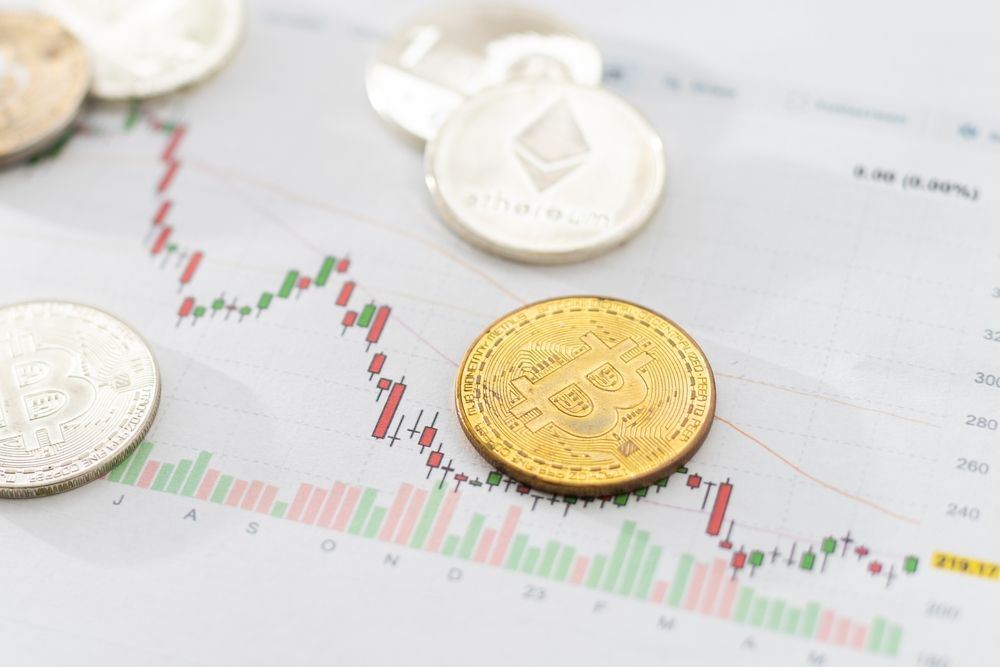 There Are A Number Of Exchanges That Have Historically Supported Monero. Image Via Shutterstock
Decentralized Options (DEX, Swaps, Atomic Swaps)
When centralized exchanges are limited, or you want more privacy, decentralized swaps become very attractive.
Cake Wallet exchange
The Cake Wallet is a popular open-source Monero wallet that integrates both exchange and wallet functions.
Pros:
- No centralized account or KYC with Cake itself
- Easy to use from your phone
- You hold your keys at all times
Cons:
- Swap partners may apply spreads and network fees
- Large trades can move price or be limited by liquidity
TradeOgre
TradeOgre is a small exchange known for listing niche privacy and proof-of-work coins. Many Monero users use it as a secondary venue when bigger exchanges delist XMR. However, it was recently shut down by the Royal Canadian Mounted Police (RCMP) in September 2025.
Pros:
- Simple interface
- Monero-friendly listings
Cons:
- Small platform risk
- Lower transparency than top-tier exchanges
- Mostly crypto-only
FixedFloat
FixedFloat is a no-account swap service that lets you send one coin and receive another, using either fixed or floating rates.
Pros:
- No need to create an account
- Quick swaps for small and medium amounts
Cons:
- Not designed for very large trades
- Spreads and fees baked into the rate
ChangeNOW
ChangeNOW is another non-custodial swap platform where you enter a receiving address, send funds, and receive XMR without logging in.
Pros:
- Simple, web-based flow
- No account required for many swaps
Cons:
- Rates can be less favorable than centralized exchanges
- You trust the service to execute properly
How to Choose the Right Platform
To decide where to buy XMR, start with your constraints:
- Region: First, check whether privacy coins are even allowed on the big exchanges where you live. If they are, using a major CEX is usually the simplest route. If they’re not, you’ll probably end up relying on swaps or peer-to-peer options instead.
- KYC: Think about how much personal info you’re willing to hand over. If you’d rather keep your ID to yourself, look for crypto-only or more decentralized platforms.
- Payment methods: If you need to pay with a bank transfer or a card, you’ll likely have to use a centralized exchange or a regulated broker. If you already hold some crypto, you can skip all that and just use a swap service.
- Fees: In order to get a grasp about fees involved, the first step is to look into the trading fees, spreads, and any extra charges. P2P trades can be convenient, but sellers often add a premium.
- Liquidity: If you’re planning a bigger trade, use a platform that has plenty of activity and deep order books, or a swap service that handles high volume so you don’t get stuck with a bad price.
- User Experience: If you’re just starting out, don’t make things harder by using a messy or confusing interface. Choose a platform that feels simple and intuitive, so you’re less likely to slip up.
Step-by-Step: Buying Monero on Exchanges (Fiat & Crypto)
This is the part most people came for. Here you’ll walk through, step by step, how to buy Monero on regular exchanges using either fiat or other crypto so you don’t get lost or overcharged along the way.
Method 1 — Buy Monero with Fiat Currency (Beginners)
Here is a standard flow for buying XMR with fiat on a centralized exchange that still supports it in your region:
Step 1: Create an account
- Go to the exchange website or app.
- Sign up with your email and a strong password.
- Enable two-factor authentication (2FA) as soon as possible.
Step 2: Complete KYC
- Upload your ID documents and follow the instructions.
- Wait for approval. Many exchanges process light KYC in under an hour.
Step 3: Deposit fiat
- Go to the “Deposit” or “Funding” section.
- Choose your currency and payment method (bank transfer, card, etc.).
- Follow the steps and note any reference code required for a bank transfer.
Step 4: Buy XMR (market vs limit order)
- Navigate to the spot trading section.
- Choose the XMR/fiat pair or XMR/USDT pair.
Market order: Buys instantly at the current best price. Simple but can slip slightly in volatile markets.
Limit order: You set your desired price. The order is only filled if the market reaches it. More control, less instant.
Withdraw to wallet
- Copy your personal XMR address from your wallet.
- Paste it into the exchange’s withdrawal form and double-check every character.
- Start with a small test withdrawal to prove everything works.
- Once confirmed, send the rest.
Method 2 — Buy Monero with Crypto (Crypto-to-Crypto)
If you already hold crypto, this path is often cheaper and more flexible.
Acquire BTC, ETH, or USDT
You may already have these from previous trades. If not, you can buy them on the most convenient exchange, even if it doesn’t list XMR.
Transfer to the exchange that lists XMR. Pick an exchange that lets you buy or trade Monero. After you sign up, grab a deposit address for the crypto you want to use, like BTC, ETH, or USDT. Send your coins over to that address and just wait for the confirmation to go through.
Trade for XMR. Go to the BTC/XMR or USDT/XMR pair. Place a market or limit order for XMR.
Pros:
- Lower overall fees than many card purchases
- Faster than waiting days for bank transfers
- Some exchanges allow basic crypto trading without full KYC (check their policies)
Step-by-Step: Buy Monero Privately (DEX)
This section is for people who want to buy Monero without leaving a long trail behind. You’ll see how to use P2P platforms, decentralized swaps, and wallet-based exchanges to get XMR with far more privacy than a typical KYC exchange.
Method 3 — DEX / Atomic Swaps / Wallet Swaps
To avoid centralized exchanges entirely, you can use swaps and atomic swap tools.
Cake Wallet is a free, open-source, and non-custodial cryptocurrency wallet that emphasizes privacy and ease of use, primarily known as one of the first mobile wallets to support Monero (XMR). It allows users to store, send, receive, and exchange various cryptocurrencies while having complete control over their private keys.
Feather Wallet (desktop) is another easy-to-use Monero wallet. Whereas Monero GUI (official) is more advanced and connects directly to a full node if you want maximum control.
First, get BTC or another supported asset from your usual exchange or friend. Move it into a wallet that can interact with the swap tool. Use swap services or atomic swaps. Inside Cake Wallet or through a separate service, choose “swap” or “exchange.” Select the pair (e.g., BTC → XMR). Enter the amount you want to swap. Confirm the rate and fees, then execute the transaction.
Atomic swaps are more trustless. They use smart contracts or special scripts so that either both sides of the trade happen, or nothing happens. Current atomic swap solutions for Monero are more technical and still evolving, so they’re best suited to advanced users.
Having said that, always double-check addresses and amounts before confirming and be aware of network congestion; swaps may take longer than expected. Don’t attempt very large swaps on unfamiliar services until you test with small amounts.
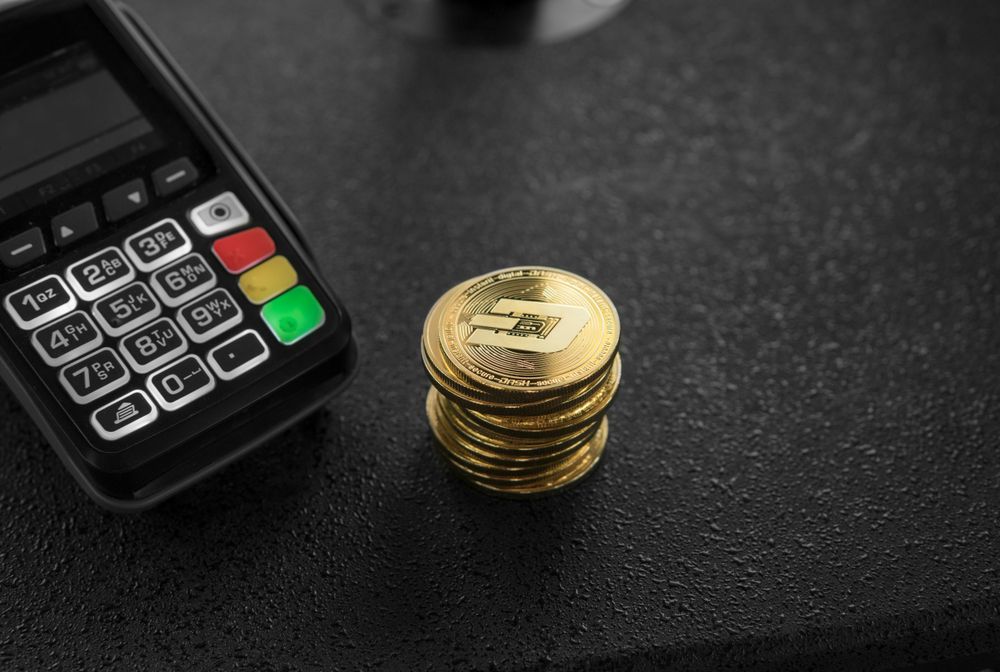 Monero Supports Different Payment Methods, Offering Wider Options For Users. Image Via Shutterstock
Payment Methods Compared
The way you pay can really change both the price and how private your purchase is. In this section, you’ll get a straightforward rundown of each option so you can decide what works best for your wallet, your timing, and how low-key you want the process to be.
| Method | Costs | Speed | When to Use |
|---|---|---|---|
| Bank Transfer | Sometimes zero, sometimes small flat fee | Domestic: hours. International: 1–3 days | Larger amounts. Minimize fees. |
| Credit/Debit Cards | Higher fees. Several percent per purchase | Minutes. Very fast | Small, instant buys. Not ideal for DCA. |
| Crypto-to-Crypto | Network fee + trading fee (usually under 1%) | Minutes | If you already own crypto. Cheapest route. |
| P2P Payments | Varied. Sellers may add premiums | Varied. Depends on payment method | Cash, PayPal, fintech apps. More flexibility |
Bank Transfer
Bank transfers are usually the most cost-effective way to get fiat into a centralized exchange. Fees are sometimes zero and sometimes a small flat fee from your bank or the exchange. Domestic transfers can settle in hours, while international wires can take one to three business days. This method is best when you’re moving larger amounts and when you care more about minimizing fees than getting instant access.
Credit/Debit Cards
Card purchases are convenient. You type in your card details and get crypto in minutes. Pros: very fast and useful if you want a small amount of XMR immediately. Cons: higher fees, since payment processors and exchanges often charge several percent on each purchase, and some banks add extra charges for “cash-like” transactions. If you use a card, it’s often best for small, one-off buys rather than regular DCA.
Crypto-to-Crypto Purchase
If you already own liquid assets like BTC or USDT, crypto-to-crypto trades often end up being the cheapest route. You pay a network fee to move your funds to an XMR-friendly exchange or swap service, and then you pay a trading or swap fee, which is usually under 1 percent. No bank or card middleman adds extra costs. For many Monero users, this becomes their default method once they’re set up.
P2P Payments
On peer-to-peer (P2P) platforms, you’ll find a variety of payment options—cash in person, bank transfers, PayPal, and local apps like Revolut, Wise, or other regional wallets. These give you more flexibility, but they can also make the process a bit more complicated. For example, PayPal has a risk of chargebacks, so sellers often raise their prices to cover that. Cash trades keep things private, but meeting in person means you need to think about safety.
After You Buy: How to Store Monero Securely
Once you have bought Monero, the next step is keeping it safe. This section shows you how to store XMR properly so you stay in full control of your coins and avoid the common mistakes that put new buyers at risk.
Why a Personal Wallet Is Essential
If you leave XMR on an exchange, you don’t truly control it. The platform holds the private keys. If the exchange is hacked, shut down, freezes withdrawals, or delists Monero in your region, your access can be delayed or lost.
A personal wallet flips that around. You hold the seed phrase and keys. As long as you protect them, you control the coins.
Exchange risks you avoid by self-custody:
- Exchange hacks
- Sudden delistings that force liquidations
- Account freezes due to KYC or region issues
Best Wallets (Ranked)
Mobile
- Cake Wallet: With swaps and hardware wallet compatibility, this open-source, user-friendly wallet is great for daily usage.
- Monerujo (Android): A well-established mobile wallet for Monero is popular with those seeking greater crypto control.
Desktop
- Monero GUI: Official wallet from the Monero project. Full-featured, best for users willing to run a node or connect to trusted remote nodes.
- Feather Wallet: Lightweight desktop wallet with a clear interface and good privacy defaults.
Hardware
Ledger and Trezor hardware wallets can hold Monero when used with software like Cake Wallet or Monero GUI. They keep your private keys on a secure chip, which helps protect them from malware on your computer.
Paper (advanced users)
You can generate an offline seed and write it on paper or engrave it into metal. This is effectively “cold storage.” It’s powerful but unforgiving. Lose or damage the seed, and your coins are gone forever.
Check out our top picks for the best Monero wallets.
How to Set Up a Wallet (Step-by-Step)
Step 1
Download the wallet from an official source. On desktop, go to getmonero.org. On mobile, use your phone’s official app store. This ensures you get the real, verified app.
Step 2
Install the wallet and open it once the setup is complete.
Step 3
Choose “Create new wallet.”
Step 4
Set a strong, unique password or PIN for the wallet.
Step 5
Write down the 24-word seed phrase the wallet gives you. Make sure it’s in the correct order.
Step 6
Store the seed phrase somewhere safe and offline. Do not save it on your phone, computer, or cloud.
Step 7
Secure your device with a passcode or biometric lock. Keep your computer or phone updated to protect against malware.
Step 8
Reopen the wallet to confirm everything works and that you can access it with your password or PIN.
Withdraw Monero Safely
Step 1
Copy your XMR address from your wallet. Monero addresses are long, so make sure you copy the entire string without missing characters.
Step 2
Check the exchange’s minimum withdrawal amount and the fixed withdrawal fee. Make sure the amount you plan to send is above that threshold.
Step 3
Keep confirmation time in mind. Monero blocks are created roughly every 2 minutes, and most wallets show incoming funds after a few confirmations.
Step 4
Test the setup with a small withdrawal first. Once that arrives safely, withdraw the remaining amount.
Fees Breakdown: What You’ll Actually Pay
Buying Monero is not only about the price you see on the screen. Fees can take a noticeable bite out of your purchase. This section explains every cost you may run into so you know what you are paying and how to keep more of your XMR.
Exchange Fee Comparison Table
| Platform | Trading Fees | Notes |
|---|---|---|
| Kraken | Maker: ≈ 0.25%, Taker: ≈ 0.40% | Transparent structure. Cheaper with higher volume |
| Binance | Maker: 0.10%, Taker: 0.10% for basic users. With higher volume / VIP / native-token discounts, fees can go significantly lower | Often discounted with BNB. XMR availability varies |
| KuCoin | Maker: 0.10%, Taker: 0.10% as its base rate. VIP/volume discounts may reduce that further | Extra discounts when paying with KCS token |
| MEXC | Maker: 0.00%, Taker: ≈ 0.05% | Frequent promotions and fee reductions |
Hidden Costs
Beyond published trading fees, you should be aware of certain hidden costs.
When trading, there are a few costs to keep in mind. The spread is the difference between the buy and sell price, and wider spreads make trades more expensive. Some fiat gateways also charge conversion fees when they convert your money before sending it to the exchange. You’ll also encounter network fees when moving BTC, ETH, or USDT, though Monero’s own fees are usually quite low. On P2P platforms, sellers may add a markup to cover risks like chargebacks or price swings.
How to Reduce Fees
You can keep more of your XMR by:
- Using bank transfers over cards when practical
- Placing limit orders instead of market orders when liquidity is decent
- Consolidating purchases into fewer, slightly larger transactions instead of many tiny ones that each pay fixed fees
Investment Strategy & Best Practices
This section will help you think beyond the first purchase. You will learn simple ways to build your XMR position over time, manage risk, and avoid the common traps that catch new investors.
Dollar-Cost Averaging (DCA)
Dollar-cost averaging simply means that you are purchasing a fixed amount of XMR at regular intervals without worrying about the price.
For example, you decide to invest $100 per month into Monero. Each month, you buy $100 worth of XMR. Sometimes you buy high, sometimes you buy low, but over time, your average entry price smooths out.
This approach reduces the stress of trying to “time the bottom” and fits better with long-term accumulation.
Long-Term Holding Strategy
If you plan to hold XMR for years, you should:
- Move most of your holdings into cold storage (hardware wallet or well-protected desktop wallet).
- Only keep a small amount on mobile or hot wallets for daily use.
- Decide how much of your net worth you are comfortable putting into a privacy coin that may face regulatory headwinds.
- Write that number down. Stick to it. Adjust only if your financial situation or conviction changes, not just because price moves.
What Moves the Monero Price?
Like most altcoins, Monero’s price still reacts heavily to Bitcoin’s movements. When BTC pumps hard, XMR often rises in fiat terms. When BTC crashes, XMR tends to follow, although sometimes with different intensity.
Specific to Monero, you will also see reactions to:
- Regulatory crackdowns on privacy coins
- Major delisting announcements from large exchanges
- Protocol upgrades that improve efficiency or privacy
- Broad sentiment around privacy and surveillance in the world
Market vs Limit Orders
Market orders
Pros: Instant, simple, always fill (assuming liquidity).
Cons: You accept the current market price, which can be worse than you expect in illiquid pairs.
Limit orders
Pros: You choose your price. You can aim to buy dips or sell at targets.
Cons: Orders might never fill if the price doesn’t touch your level.
When buying XMR on smaller venues, limit orders are often safer to avoid nasty slippage. On very liquid pairs, market orders are usually fine for modest amounts.
Legal, Regulatory & Tax Considerations
Here you will see the rules and responsibilities that come with owning a privacy coin. This section explains what is legal, what is restricted, and what you need to know about taxes before you start using Monero.
 Cryptocurrencies Often Face The Question Of Their Legality. Monero Is Legal To Own In Most Countries, But Listing It On Exchanges Need More Study. Image Via Shutterstock
Is Monero Legal?
Monero is legal to own in most countries. What usually changes is the exchange policy, not the law itself. Some regions pressure platforms to avoid privacy coins, so XMR becomes harder to buy, even though holding it is still allowed. Always check your local rules, but in most places, Monero itself is not banned.
It is legal to own or trade XMR privately. But no local exchanges are willing to list it. Before you buy, check both your local crypto regulations and your tax authority’s stance on privacy coins.
Tax Treatment
In the US, cryptocurrencies as treated as property. This means that selling Monero, trading it for another coin, or even spending it can trigger capital gains or losses.
In the European Union, many countries follow similar rules, taxing gains when you sell or swap crypto. Some offer tax-free treatment if you hold long enough; others do not.
For the rest of the world, most jurisdictions are moving toward treating crypto gains like other investment income. Privacy coins don’t change the tax obligation; they just change how visible your activity is.
Always consult a local tax professional, especially if you hold large sums or trade actively.
Why Privacy Coins Face Regulation
The answer is simple. Bodies like the Financial Action Task Force (FATF) push countries to apply travel-rule and AML standards to crypto businesses. Due to this, it is harder for exchanges to monitor flows of privacy coins, resulting in an indirect increase in compliance costs for these regulators.
This results in:
- Exchange delisting of XMR and other privacy coins
- Extra scrutiny on platforms that still support them
- Bank friction when you move funds in and out of such platforms
Record-Keeping Requirements
Even if Monero itself is private, your tax authority may still expect records. You should:
- Keep screenshots or exports of exchange trades where you acquired XMR
- Save transaction IDs and amounts when you move between platforms
- Use a portfolio tool or spreadsheet to record when and how you bought
You don’t need to reveal your full on-chain history to everyone, but you should have enough documentation to answer fair questions from tax authorities or auditors if required.
Common Mistakes to Avoid
Buying Monero comes with a few traps that are easy to miss until it is too late. Here you will learn the common errors people make so you can sidestep them and keep your XMR safe.
Security Mistakes
- Storing your seed phrase in cloud notes or screenshots
- Leaving large amounts of XMR on exchanges
- Downloading wallets from unofficial or random links
- Ignoring 2FA on exchange and email accounts
Financial Mistakes
- Going “all in” on XMR because of one bullish narrative
- Using leveraged products tied to privacy coins without understanding liquidation risk
- Ignoring fees and spreads, which eat into your position over time
Technical / Regulatory Mistakes
- Assuming that Monero makes you legally invisible
- Failing to check whether XMR is actually available in your jurisdiction
- Sending XMR to the wrong type of address or misusing view keys
Troubleshooting Common Problems
Things do not always go smoothly when you buy or move Monero. This section gives you quick fixes for the issues most people run into, so you can solve them without stress.
Payment Issues
If your card is declined:
- Your bank may block crypto-related payments by default
- Try another card or contact your bank to whitelist the exchange
If your bank transfer is delayed:
- Double-check the reference code and account details you used
- Look for notifications from both your bank and the exchange
KYC Issues
If your KYC is stuck:
- Ensure your photos are clear and not cropped
- Use a passport if your ID card is not accepted
- Check if the exchange has region-specific KYC blocks
- Sometimes, switching to a different exchange or using crypto-only swaps is easier than fighting a particular KYC flow.
Withdrawal/Wallet Issues
If your XMR withdrawal is pending:
- Check whether the exchange has flagged it for manual review
- Confirm you met the minimum withdrawal amount
If XMR doesn’t appear in your wallet:
- Make sure you copied the correct address
- Let the wallet sync fully with the network
- Verify the transaction on a Monero block explorer that supports view keys or tx IDs (without revealing more than you need to)
Monero Community & Learning Resources
Monero’s community is very active and packed with people who really know their stuff. In this section, you’ll find the best places to learn more, ask questions, and keep up with everything going on in the XMR world.
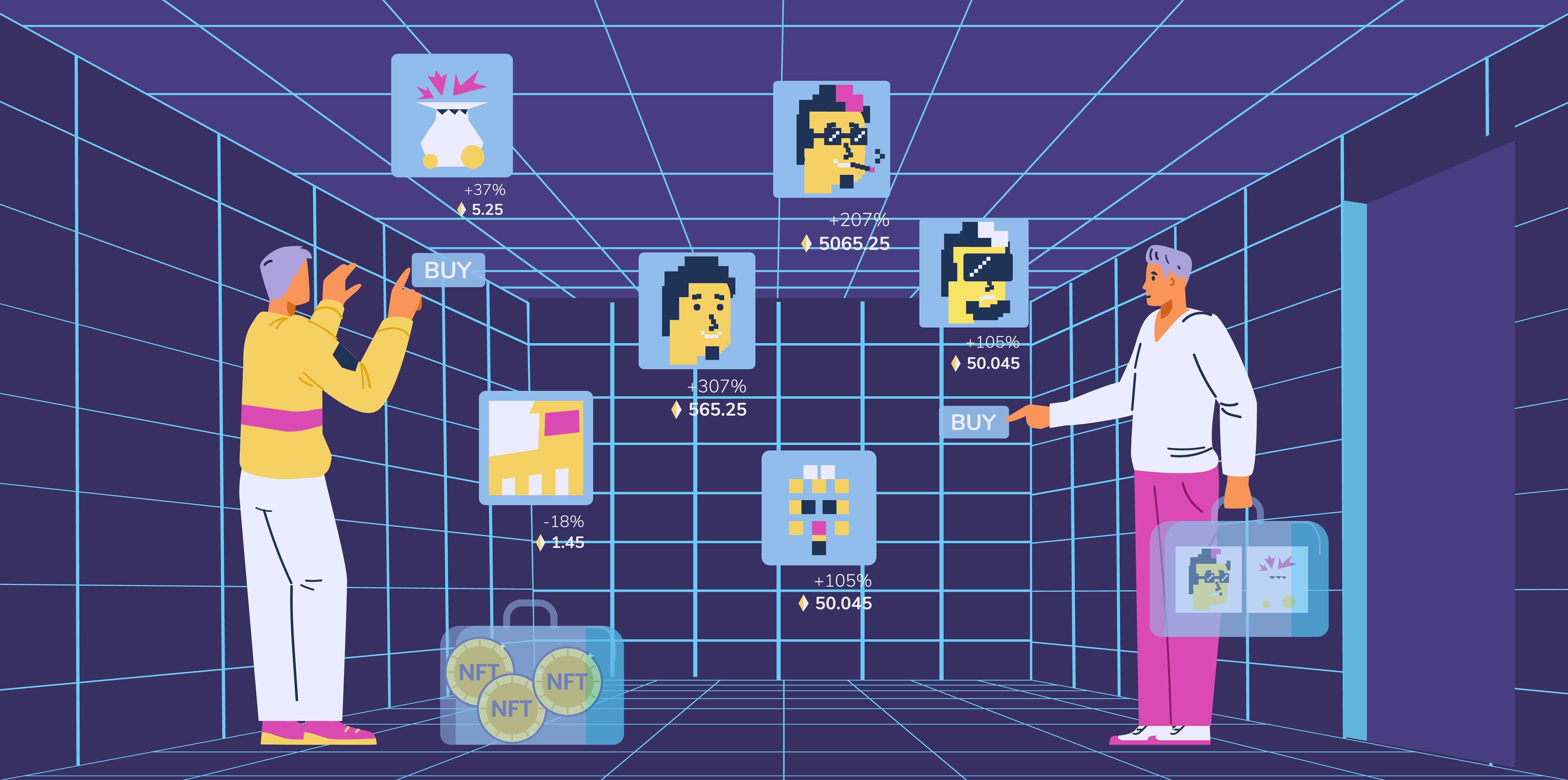 Monero’s Community Is Very Active And Packed With People Who Really Know Their Stuff. Image Via Shutterstock
Official Resources
Start with the official channels:
- getmonero.org – main website with wallet downloads, docs, and news
- Monero GitHub – source code for the protocol and wallets
Community Support Channels
The Monero community is very active. These are the community support channels you can turn to in time of need.
- /r/Monero on Reddit – discussions, guides, and updates.
- Matrix and IRC channels – live chats for technical question
- X (Twitter) – @monero and other community accounts share news and educational contentX (formerly Twitter)
Charting + Market Data Tools
To track XMR price and volume, you can use:
- CoinGecko and CoinMarketCap – for key stats and pair listings
- TradingView – for charting XMR pairs against BTC and major fiat currencies
Educational Content
For deeper learning, look at:
- Coin Bureau’s “What Is Monero?” educational article – detailed explanation of the tech and history
- Monero Outreach – community-driven educational resources
- Research papers from Monero Research Lab – technical, but very informative for advanced users
If you read and use these resources regularly, you’ll quickly move from “I bought some XMR” to actually understanding how to use it safely and responsibly.