Last Updated: April 11th, 2026|64 mins

Discover the Top 12 DEX for Your Crypto Needs in April 2026

Analysis

Decentralized exchanges (DEXs) have become the foundation of on-chain liquidity. With over 1,000 active platforms, they now process billions of dollars in daily volume without relying on centralized intermediaries. Self-custody, transparency, and permissionless platforms are becoming default expectations for crypto users.

This guide breaks down the DEX universe as it stands in today. From market leaders like Uniswap and dYdX to specialized platforms such as THORChain, Orca, and 1inch, we evaluate each by performance, fees, supported chains, and use cases. 

Quick Answer: Best DEXs by Use Case

Uniswap remains the strongest overall DEX for most on-chain traders, while specialist platforms like PancakeSwap, Curve, THORChain, Aster, Hyperliquid, 1inch, Orca, and Balancer make more sense when your priority is beginner usability, stablecoin efficiency, native cross-chain execution, leverage, order-book speed, routing efficiency, Solana-native trading, or programmable yield strategies.

  • 1
    Best Overall: Uniswap Deep liquidity, multi-chain reach, and battle-tested AMM design make Uniswap the strongest all-rounder.
  • 2
    Best for Beginners: PancakeSwap PancakeSwap stands out for its simpler UX, low fees, and easier first-time DeFi experience.
  • 3
    Best for Stablecoin Swaps: Curve Finance Curve remains the top choice for low-slippage stablecoin and correlated-asset swaps.
  • 4
    Best for Cross-Chain Swaps: THORChain THORChain enables native cross-chain swaps without wrapped assets or centralized bridge custody.
  • 5
    Best for Derivatives & Leverage: Aster Aster fits leverage traders with cross-margin perpetuals and low-fee multi-collateral trading.
  • 6
    Best for On-Chain Order-Book Speed: Hyperliquid Hyperliquid delivers fast order-book trading with a more CEX-like feel than most DEXs.
  • 7
    Best for Gas Efficiency: 1inch Network 1inch improves execution by routing across venues to reduce slippage and manual comparison.
  • 8
    Best for Solana Users: Orca Orca gives Solana users fast, low-cost swaps in a very approachable interface.
  • 9
    Best for Yield Providers: Balancer Balancer suits advanced LPs with custom pools, weighted structures, and portfolio-style strategies.
  • 10
    Best for Institutional Trading: Uniswap V4 Uniswap V4 offers advanced hooks and flexible fee logic for more customizable execution design.

DEXs Covered in This Guide

DEX Category Chains Typical Fees Key Strength
Uniswap Spot AMM Ethereum, Arbitrum, Base, Polygon 0.01%, 0.05%, 0.3%, 1%; V4 flexible Deep liquidity and flexible pool design
PancakeSwap Spot AMM BNB Chain, Ethereum, Base, Solana V2: 0.25%; V3: 0.01%, 0.05%, 0.25%, 1% Low-friction retail trading and farming
Curve Finance Stablecoin AMM Ethereum, Arbitrum, Fraxtal, Etherlink Usually around 0.01% to 0.04% Low-slippage stable and correlated swaps
Sushi AMM + Aggregator Ethereum, Arbitrum, Base, Bera/Katana routes V2: 0.3%; V3: 0.01%, 0.05%, 0.3%, 1% Broad multichain coverage with flexible routing
Balancer Portfolio AMM Ethereum, Arbitrum, Gnosis Weighted: 0.001% to 10%; Stable: 0.0001% to 10% Custom pool weights and structured liquidity
Aster Perpetuals DEX BNB Chain, Arbitrum, Ethereum, Solana Often 0% maker; 0.04% or lower taker on key markets Cross-margin perps with multi-asset collateral
EdgeX Perpetuals DEX Ethereum, Arbitrum, BNB Chain Base tier: 0.015% maker, 0.038% taker Fast matching and API-level trading
Hyperliquid Order-Book Perps DEX Hyperliquid L1, Arbitrum bridge route Base tier: 0.015% maker, 0.045% taker Fast on-chain order-book execution
dYdX Order-Book Perps DEX dYdX Chain, Ethereum bridge route Maker: 0.01% to -0.011%; Taker: 0.05% to 0.025% Mature decentralized derivatives tooling
1inch Network DEX Aggregator Ethereum, BNB Chain, Arbitrum, Base, Polygon, Optimism, Avalanche, Solana No standalone swap fee; users pay route and gas costs Smart routing across multiple DEXs
THORChain Cross-Chain DEX Bitcoin, Ethereum, Dogecoin, Litecoin, Avalanche, Base Inbound fee, liquidity fee, optional affiliate fee, outbound fee Native cross-chain swaps without wrapped assets
Orca Solana AMM Solana 0.01%, 0.05%, 0.30%, 1.00% plus Solana network fees Fast and simple Solana-native swaps

Disclosure and Methodology

Some links in this guide may be affiliate links. If you choose to use a DEX front end, wallet, or related service through these links, we may earn a commission at no additional cost to you. That does not affect how these protocols are assessed or how the rankings in this article are determined.

For this comparison, we prioritized hands-on swaps, routing checks, and primary-source documentation over marketing claims. We reviewed spot swaps, stablecoin routes, large-trade quote behavior, cross-chain workflows, wallet connection flows, fee clarity, token verification steps, and perps interfaces where relevant, using real trading conditions across the major chains that matter in 2026.

Our evaluation focused on liquidity depth, execution quality, fee efficiency, self-custody design, transparency, chain coverage, and suitability for different user types, including beginners, cross-chain users, Solana traders, leverage traders, and professional on-chain participants. Because DEX liquidity, routing, chain support, and front-end features can change quickly, readers should always confirm current details on official docs and interfaces before trading.

Aster

What Is a Decentralized Crypto Exchange (DEX)?

A decentralized exchange is a protocol that enables users to trade digital assets directly from their wallets using smart contracts, rather than relying on a centralized intermediary. Each transaction executes transparently on-chain, and users retain control of their private keys throughout the process.

This shift from centralized custody to self-sovereign finance is what defines DEXs. They are coded marketplaces and not companies governed by algorithms, liquidity pools, and community governance tokens rather than corporate management.

As of March 2026, about 1,100 active DEXs span ecosystems like Ethereum, Solana, Arbitrum, and Cosmos, facilitating billions in daily swaps and derivatives trades, according to CoinGecko.

DEX vs CEX — Custody, Control, and Transparency

FeatureCentralized Exchange (CEX)Decentralized Exchange (DEX)
CustodyFunds are held by the exchange in custodial wallets.Users retain full control via self-custody wallets like MetaMask, Phantom, or Ledger.
Control & RiskCentralized authority manages trades; subject to counterparty, hack, and withdrawal risks.Trades occur directly via smart contracts — no intermediaries or account holds.
TransparencyLimited visibility; internal order books and custody are opaque.All transactions, fees, and liquidity are recorded publicly on-chain.
Liquidity & Fiat AccessHigher liquidity, fiat on/off-ramps, and compliance with regulations.Variable liquidity, but direct peer-to-peer execution with no KYC walls.
Primary AdvantageConvenience, regulation, and fiat support.Freedom, verifiability, and censorship resistance.
Typical UsersBeginners, institutional traders, and fiat on-ramp users.Experienced crypto-native users seeking control and yield.

Centralized exchanges (CEXs) such as Binance, Coinbase, and Kraken function as intermediaries. They safeguard user funds in custodial wallets, manage order matching, and often act as market makers themselves. While this design simplifies onboarding and fiat conversions, it concentrates power and introduces counterparty and withdrawal risks.

DEXs reverse that equation. They operate non-custodially: users connect wallets like MetaMask, Phantom, Rabby, or Ledger and execute trades directly via smart contracts. There are no deposits, account holds, or KYC walls for most protocols.

All orders, liquidity movements, and fees are recorded publicly on-chain, thereby offering unmatched transparency.

Yet, CEXs still lead in liquidity aggregation, fiat gateways, and institutional compliance, whereas DEXs prioritize freedom, verifiability, and censorship resistance. In practice, both coexist: professional traders often use CEXs for on-ramps and DEXs for asset mobility and yield.

Check out our top picks for the best crypto exchanges.

AMMs vs Order-Book DEXs

Visual comparison of Automated Market Makers and Order-Book DEXs with examples, strengths, and hybrid approaches. AMMs vs Order-Book DEXs Execution models, examples, and where each excels Automated Market Makers (AMMs) x·y = k Order-Book DEXs Limits & depth Examples Uniswap V3/V4, Curve, Balancer, PancakeSwap How pricing works Algorithmic quotes from pooled liquidity using invariant equations Guaranteed execution against pools Great for long-tail assets & stablecoin swaps LPs earn fees; concentrated liquidity Programmable strategies (Uniswap V4 hooks, Balancer V3) Best fit: retail traders, instant swaps, programmable liquidity Examples dYdX Chain, Apex Pro, Vertex, Hyperliquid How pricing works Continuous limit order book with bids/asks; matching on-chain or via relayers Millisecond latency, low slippage for size Advanced orders (limits, stops), perps & leverage Pro charting, depth, and risk tooling Complex UX; may require off-chain components Best fit: professional traders, execution precision, derivatives Hybrids & Aggregators Phoenix (Solana), 1inch Fusion, CoW Swap AMMs: pooled liquidity, algorithmic pricing, strong for retail and long-tail assets Order-Book DEXs: precision execution, derivatives, professional tooling

AMMs are the backbone of DEX innovation. Platforms such as Uniswap V3/V4, Curve Finance, Balancer, and PancakeSwap pool user-deposited assets and quote prices algorithmically using invariant equations (e.g., x · y = k). Liquidity providers earn swap fees proportional to their contribution, replacing traditional order matching with mathematical pricing.

Recent AMM versions, Uniswap V4 “hooks” and Balancer V3 weighted pools, allow dynamic fee models, concentrated liquidity, and programmable strategies that rival institutional-grade systems. AMMs excel for retail traders, long-tail assets, and stablecoin swaps because they guarantee execution regardless of the counterparties involved.

Order-book models, on the other hand, replicate centralized exchange architecture on-chain or via off-chain relayers. dYdX Chain, Apex Pro, Vertex, and Hyperliquid maintain limit orders, leverage, and perps trading with millisecond latency. This design appeals to professional traders who need advanced charting, stop orders, and low-slippage execution.

Some ecosystems now combine both: Solana’s Phoenix integrates on-chain order books with AMM liquidity, while 1inch Fusion and CoW Swap aggregate multiple pools to achieve best execution. These hybrid approaches bridge retail simplicity and institutional efficiency

Why DEXs Matter 

The impact of DEXs stretches beyond decentralization itself:

  • Transparency: Every transaction, fee split, and liquidity movement is verifiable on-chain.
  • Accessibility: Anyone with an internet connection and a wallet can trade with no geographic or KYC barriers.
  • Interoperability: Protocols like THORChain and Osmosis allow native cross-chain swaps without wrapping assets.
  • Composability: DEXs plug into DeFi stacks for lending, yield farming, and derivatives protocols.
  • Security and Resilience: With no central wallet to hack, attack surfaces are distributed across smart contracts and validators.

DEXs today represent the purest execution of blockchain’s founding principle, which is trustless finance: where the code, not an institution, guarantees fairness

Derivatives-focused DEXs such as Hyperliquid, GMX, and dYdX Chain are expanding market share, with perpetual contracts now accounting for nearly 30% of total DEX volume. Institutions are also showing renewed interest, integrating non-custodial trading desks and on-chain settlement layers for compliance-friendly execution.

Total value locked (TVL) across DEXs stands above $155 billion, up 40% year-on-year. Monthly active wallets interacting with DEXs exceed 12 million, a new record. The increase aligns with rising on-chain trading during centralized exchange regulatory uncertainty.

How We Tested and Reviewed These DEXs

This guide combines hands-on swaps with on-chain data and primary docs to judge how each DEX performs in real conditions, across common user journeys in 2026.

What we tested (hands-on)

  • Spot swaps: small ($50–$200) and mid-size ($1k–$5k) swaps on major pairs and long-tail tokens
  • Stablecoin routes: USDC/USDT/DAI style swaps to compare slippage and fee behavior
  • Large-trade routing checks: Aggregator routes (where applicable) to compare quoted vs executed outcomes
  • Cross-chain flows: At least one native cross-chain swap flow (where supported) and the user steps involved
  • Perps UX (where applicable): Order placement, collateral deposit/withdraw, funding visibility, liquidation warnings, and fees clarity
  • Safety hygiene: Token verification workflow, approval prompts, and revoke-approval compatibility

Wallets and tooling used

  • Wallets: MetaMask (ETH/L2), Phantom (Solana), plus hardware signing for higher-value test transactions
  • Verification tools: Explorers (Etherscan/Solscan equivalents), token contract checks, and allowance/revoke tools
  • Routing and pricing: In-app quotes + at least one independent cross-check via aggregator/alternative interface when relevant

Networks included

We focused on the networks that most DEX volume actually routes through:

  • Ethereum + major L2s (e.g., Arbitrum/Base/Optimism where relevant)
  • Solana
  • BNB Chain
  • Protocol-native stacks for perps/order books where applicable

What We Didn't Test

  • Full audit of smart contracts or validator/security architecture
  • Exhaustive testing across every chain deployment and every UI/front-end
  • Market-maker level execution (very large orders) or long-run LP performance modeling across months
  • Jurisdiction-specific tax outcomes (we cover record-keeping, not personalized tax advice)

Best DEXs by Category (2026)

The DEX market now functions like a layered ecosystem. Each category, from spot AMMs to perpetual DEXs, fulfills a specific role in the on-chain liquidity stack. Below is a performance-driven breakdown of the leading DEXs in 2026.

Leading Spot AMMs

Spot AMMs dominate on-chain trading by replacing traditional order books with liquidity pools. These platforms make token swaps instant, transparent, and open to anyone providing liquidity.

1. Uniswap (V3/V4)

DEX • AMM • Hooks

Best For: Traders seeking deep liquidity, flexible fees, and a strong Layer-2 presence.

The largest DEX brand in DeFi, with concentrated liquidity in V3 and programmable hooks in V4. Its design gives traders deep routing options while giving developers far more room to customize pool behavior.

Chains DeFiLlama ↗
Ethereum Arbitrum Base Polygon
Highlights
Concentrated liquidity Hooks in V4 Transparent routing
Pros
  • Reliable across Ethereum and major L2s
  • Deep liquidity on major pairs
  • Transparent on-chain execution
  • Flexible pool design in V4
Cons
  • Mainnet gas can still be expensive
  • Interface can feel technical for new users
  • Fee logic is more complex than simpler AMMs
  • Hooks add power but also more design complexity
V3 Fee Tiers

Standard tiers are 0.01%, 0.05%, 0.3%, and 1%.

V4 Flexible Fees & Hooks

V4 supports flexible pool fees that can range from 0% to 100%. Hooks let developers add custom logic such as dynamic fee updates, routing behavior, or pool-specific features.

Uniswap • AMM with concentrated liquidity in V3 and programmable hooks in V4.
Data snapshot: April 11, 2026

2. PancakeSwap (BNB Chain Leader)

DEX • AMM • Yield Farming

Best For: Users trading altcoins, farming yield, or looking for a lower-friction DEX experience.

PancakeSwap remains the dominant retail-facing AMM around BNB Chain while expanding across multiple networks. Its appeal is simple: broad token access, low fees, and a friendlier on-chain UX than many rivals.

Chains DeFiLlama ↗
BNB Chain Ethereum Base Solana
Highlights
Yield farming Retail-friendly UX Multi-chain
Pros
  • Very low trading fees on many routes
  • Broad token variety on BNB Chain
  • Strong retail usage and incentives
  • Accessible interface for newer DeFi users
Cons
  • CAKE token economics remain debated
  • Liquidity can fragment across chains and pool types
  • Less institutional mindshare than Ethereum leaders
  • Can feel more retail-first than precision-first
V2

Flat 0.25% trading fee; 0.17% goes to liquidity providers.

V3

Pool-based tiers of 0.01%, 0.05%, 0.25%, and 1%.

StableSwap

Stable pools use lower configured fee rates, often shown as a narrow band in the interface depending on route and pool.

PancakeSwap • Retail-friendly AMM with multi-chain reach and strong incentives around BNB Chain.
Data snapshot: April 11, 2026

3. Curve Finance (Stablecoin Specialist)

DEX • StableSwap • veCRV

Best For: Traders swapping stable assets, wrapped assets, and correlated pairs with minimal slippage.

Curve remains the specialist venue for efficient stablecoin and like-kind swaps. Its pool design favors capital efficiency on correlated assets, which is why it still matters so much inside the wider DeFi plumbing.

Chains DeFiLlama ↗
Ethereum Arbitrum Fraxtal Etherlink
Highlights
Low slippage Wrapped assets DAO governance
Pros
  • Excellent for stablecoin and correlated-asset swaps
  • Deep integration across DeFi
  • Fee split aligns LPs and veCRV holders
  • Well-known DAO-led design
Cons
  • Interface still feels dated
  • Less useful for broad non-stable token discovery
  • New users may find pool structure confusing
  • Governance can move slowly
Stablecoin Pools

Pool fees are set per pool and commonly sit around 0.01%–0.04%. Curve documents that 50% of trading fees go to liquidity providers and 50% to veCRV holders.

Curve Finance • Stablecoin-focused AMM built for efficient swaps and deep DeFi integration.
Data snapshot: April 11, 2026

4. Sushi (SushiSwap)

DEX • AMM • Aggregator

Best For: Traders looking for multichain coverage with both AMM and aggregation features.

Sushi keeps its relevance through breadth rather than raw dominance. The mix of AMM liquidity, aggregator functionality, and multi-chain deployment makes it useful for traders who value flexibility over brand prestige.

Chains DeFiLlama ↗
Ethereum Arbitrum Base Bera/Katana ecosystem routes
Highlights
Aggregator + DEX Multichain Community-driven
Pros
  • AMM and aggregator in one ecosystem
  • Broad multichain coverage
  • Still useful for route comparison and niche liquidity
  • Flexible concentrated-liquidity options in V3
Cons
  • Smaller liquidity than the biggest AMMs
  • Brand positioning is less clear than before
  • Governance history has been uneven
  • Less of a default destination than Uniswap or Curve
V2

Standard fee 0.3%: 0.25% to LPs and 0.05% to SUSHI holders.

V3 (Concentrated)

LP-selectable tiers: 0.01%, 0.05%, 0.3%, or 1%.

Sushi • Multichain AMM and aggregator with a more flexible, community-led identity.
Data snapshot: April 11, 2026

5. Balancer (Portfolio AMM)

DEX • Portfolio AMM • Programmable Pools

Best For: Professional liquidity providers, DAOs, and users building structured on-chain portfolios.

Balancer is less about casual swapping and more about programmable liquidity design. Its weighted and stable pool structures make it especially useful for treasury management, governance-token pools, and more advanced portfolio strategies.

Chains DeFiLlama ↗
Ethereum Arbitrum Gnosis Ethereum-aligned DeFi chains
Highlights
Custom weights Composable with DeFi Portfolio rebalancing
Pros
  • Custom pool weights and multi-token structures
  • Highly composable with broader DeFi stacks
  • Strong fit for treasury and structured strategies
  • Useful for 80/20 style governance pools
Cons
  • Requires more technical understanding than simple AMMs
  • Lower swap mindshare than retail-first DEXs
  • Interface can feel dense for casual traders
  • Less ideal for quick beginner swaps
Weighted Pools

Swap fees typically range from 0.001% to 10%.

Stable Pools

Swap fees typically range from 0.0001% to 10%.

Balancer • Portfolio AMM with programmable pools and institutional-style liquidity design.
Data snapshot: April 11, 2026

Derivatives / Perpetuals DEXs

Perpetual DEXs are now DeFi’s professional frontier. They deliver leverage, advanced charting, and on-chain margin systems that rival centralized futures markets.

6. Aster (Perps Heavyweight)

DEX • Perpetuals • Cross-Margin Read Review ↗

Best For: Traders who want on-chain perpetuals, cross-margin support, and low displayed taker fees on supported contracts.

Aster positions itself as a fast-growing perps venue focused on cross-margin trading, multi-asset collateral modes, and an interface designed to feel lighter than older derivatives-first DEXs.

Chains DeFiLlama ↗
BNB Chain Arbitrum Ethereum Solana
Highlights
On-chain perps Cross-margin Multi-asset collateral
Pros
  • Cross-margin and multi-asset margin modes
  • Low posted taker fees on key perp markets
  • Cleaner interface than many legacy perps apps
  • Supports more than one collateral style
Cons
  • Docs currently show some fee-page inconsistencies
  • Shorter operating history than older perps venues
  • Less institutional mindshare than dYdX or Hyperliquid
  • Still building broader ecosystem depth
USDT Perpetuals

0% maker and 0.04% taker.

USD1 Perpetuals

0% maker and 0.005% taker.

Aster also documents a 5% fee discount when paying perp fees with $ASTER.
Aster • Derivatives DEX focused on cross-margin perps and multi-asset collateral. Read our review ↗
Data snapshot: April 11, 2026

7. EdgeX

DEX • Perpetuals • HFT

Best For: Advanced traders seeking a low-latency perps venue with API access and a more systematic-trading feel.

EdgeX is built around fast matching, API-level trading access, and a pro-trader derivatives workflow, with fee tiers based on rolling 30-day volume.

Chains DeFiLlama ↗
Ethereum Arbitrum BNB Chain
Highlights
Sub-second matching API trading 30-day fee tiers
Pros
  • Fast execution focus
  • API-level trading support
  • Designed for more active perps workflows
  • Tiered fees for higher-volume users
Cons
  • Higher learning curve than simple swap DEXs
  • Fewer tokens than broad spot-first venues
  • Some architecture depends on specialized infrastructure
  • Still less mainstream than top perps brands
Maker

0.015% at the base tier.

Taker

0.038% at the base tier.

Fees are tiered by rolling 30-day trading volume and update daily at 00:00 UTC.
EdgeX • Perps DEX built around speed, API access, and active trading strategies.
Data snapshot: April 11, 2026

8. Hyperliquid

DEX • Order Book • Perpetuals Read Review ↗ Trading Guide ↗

Best For: Professional traders who want fast order-book trading without handing custody to a centralized exchange.

Hyperliquid has become the standout on-chain order-book venue for perps, combining fast execution, transparent fee tiers, and a trading experience that feels closer to a centralized exchange than most DeFi apps do.

Chains DeFiLlama ↗
Hyperliquid L1 Arbitrum bridge route
Highlights
Fast execution On-chain order book 14-day fee tiers
Pros
  • Fast, exchange-like execution
  • Transparent fee logic tied to rolling volume
  • Deep trader adoption in on-chain perps
  • Strong tooling for active traders
Cons
  • More self-contained ecosystem than broad DeFi hubs
  • Less composable than standard AMM-based trading stacks
  • Can feel technical for newer users
  • Requires dedicated wallet and bridge familiarity
Base Tier Maker

0.015% for perps at the base tier.

Base Tier Taker

0.045% for perps at the base tier.

Fees are based on rolling 14-day volume, assessed daily in UTC. Higher-volume makers can qualify for rebates below zero.

9. dYdX (dYdX Chain)

DEX • Order Book • Perpetuals

Best For: Traders who want mature perps infrastructure, strong tooling, and a decentralized order-book model on a dedicated chain.

dYdX Chain remains one of the most established decentralized perps venues, pairing professional trading features with a Cosmos-based architecture and a clearly documented maker/taker fee system.

Chains DeFiLlama ↗
dYdX Chain Ethereum bridge route
Highlights
Order book Pro-grade tooling 30-day fee tiers
Pros
  • Mature decentralized perps infrastructure
  • Documented fee tiers and governance framework
  • Good fit for serious derivatives users
  • Supports advanced order and market-data workflows
Cons
  • More complex onboarding than simple AMMs
  • No native fiat on-ramp in the protocol itself
  • Bridge flow adds extra steps for funding
  • Less beginner-friendly than spot-first DEXs
Maker

Ranges from 0.01% down to -0.011% for the highest rebate tier.

Taker

Ranges from 0.05% down to 0.025% based on trailing 30-day volume.

Fee tiers are based on 30-day trailing volume across subaccounts and markets, with parameters subject to governance updates.
dYdX • Cosmos-based decentralized order-book perps with mature trading infrastructure.
Data snapshot: April 11, 2026

Aggregators

Aggregators are the routers of decentralized liquidity. They scan multiple DEXs to find the best swap rates and minimize slippage, which is one of the most important elements for efficient trade execution.

10. 1inch Network

DEX Aggregator • Pathfinder

Best For: Users who want the best available route across multiple DEXs without checking each venue manually.

1inch remains one of the best-known DEX aggregators, using Pathfinder routing to split and optimize trades across multiple liquidity sources. Its core edge is execution efficiency rather than being a standalone liquidity venue. :contentReference[oaicite:0]{index=0}

Chains 1inch ↗
Ethereum BNB Chain Arbitrum Base Polygon Optimism Avalanche Solana
Highlights
Pathfinder routing Cross-chain swaps Limit orders MEV protection
Pros
  • Strong route optimization across multiple DEXs
  • Useful for reducing manual venue comparison
  • Supports cross-chain swap flows
  • Long track record and strong brand recognition
Cons
  • Interface can feel busy for beginners
  • Final cost still depends on route and gas
  • Quote quality can vary with market conditions
  • Not a native liquidity venue itself
Fees
1inch ↗
Aggregator Fees

1inch states that it finds the best token prices, lowest fees, and most efficient routes across DEX liquidity. In practice, users still pay the underlying DEX swap costs and network gas for the chosen route. :contentReference[oaicite:1]{index=1}

1inch Network • Execution-first DEX aggregation with Pathfinder, cross-chain swaps, and route optimization. :contentReference[oaicite:2]{index=2}
Data snapshot: April 11, 2026

Cross-Chain & Ecosystem Leaders

Cross-chain DEXs form the connective tissue of multichain liquidity. They enable native asset swaps between L1s and L2s without centralized bridges.

11. THORChain (Native Cross-Chain Swaps)

DEX • Cross-Chain • Native Swaps

Best For: Users who want native cross-chain swaps between major assets like BTC and ETH without wrapped tokens or centralized custody.

THORChain is one of the clearest examples of decentralized native cross-chain trading. Its design revolves around swapping real L1 assets across supported chains while keeping custody in the protocol rather than relying on wrapped representations.

Supported Chains THORChain Docs ↗
Bitcoin Ethereum Dogecoin Litecoin Avalanche Base
Highlights
Native cross-chain swaps No wrapped assets required Community-run
Pros
  • Enables native asset swaps across major L1s
  • Avoids wrapped-token dependency for many routes
  • Open-source and community-run design
  • Useful for real cross-chain liquidity mobility
Cons
  • Architecture is more complex than single-chain AMMs
  • Past exploits remain part of its history
  • Liquidity and execution can vary by route
  • Cross-chain UX is still heavier than simple spot swaps
Protocol Fee Model

THORChain documents four core fee components: inbound fees paid on the source chain, a slip-based liquidity fee, an optional affiliate fee, and an outbound fee that covers destination-chain gas plus protocol overhead.

Native transactions on THORChain itself also incur a documented 0.02 RUNE network fee.
THORChain • Native cross-chain swaps with decentralized custody and real multi-chain asset support.
Data snapshot: April 11, 2026

12. Orca (Top Solana Liquidity Layer)

DEX • AMM • Solana

Best For: Solana users who want fast swaps, straightforward UX, and strong support for common token and stablecoin routes.

Orca is one of Solana’s most approachable AMM interfaces. The current docs emphasize fast Solana trading, clear fee tiers, and even quote comparisons between Orca Direct and Jupiter inside the trading flow.

Chain Focus Orca Docs ↗
Solana Whirlpools Range orders
Highlights
Fast execution Simple UI Clear fee tiers
Pros
  • Very approachable for Solana trading
  • Fast swaps and simple token flow
  • Useful for both regular swaps and LP workflows
  • Clear documented fee tiers
Cons
  • Essentially Solana-first in practical use
  • Needs SOL in-wallet for network fees
  • Less relevant outside the Solana ecosystem
  • Performance still depends on Solana network conditions
Documented Trading Fee Tiers

Orca documents pool trading fees of 0.01%, 0.05%, 0.30%, and 1.00%, depending on the pair and pool type.

Network Costs

Orca also notes standard Solana network fees on top of swap costs, with trading docs showing network costs as a separate component from the pool fee.

Orca • Solana-first AMM with approachable UX, fast swaps, and clearly documented fee tiers.
Data snapshot: April 11, 2026

Key Features That Define Top DEX Platforms
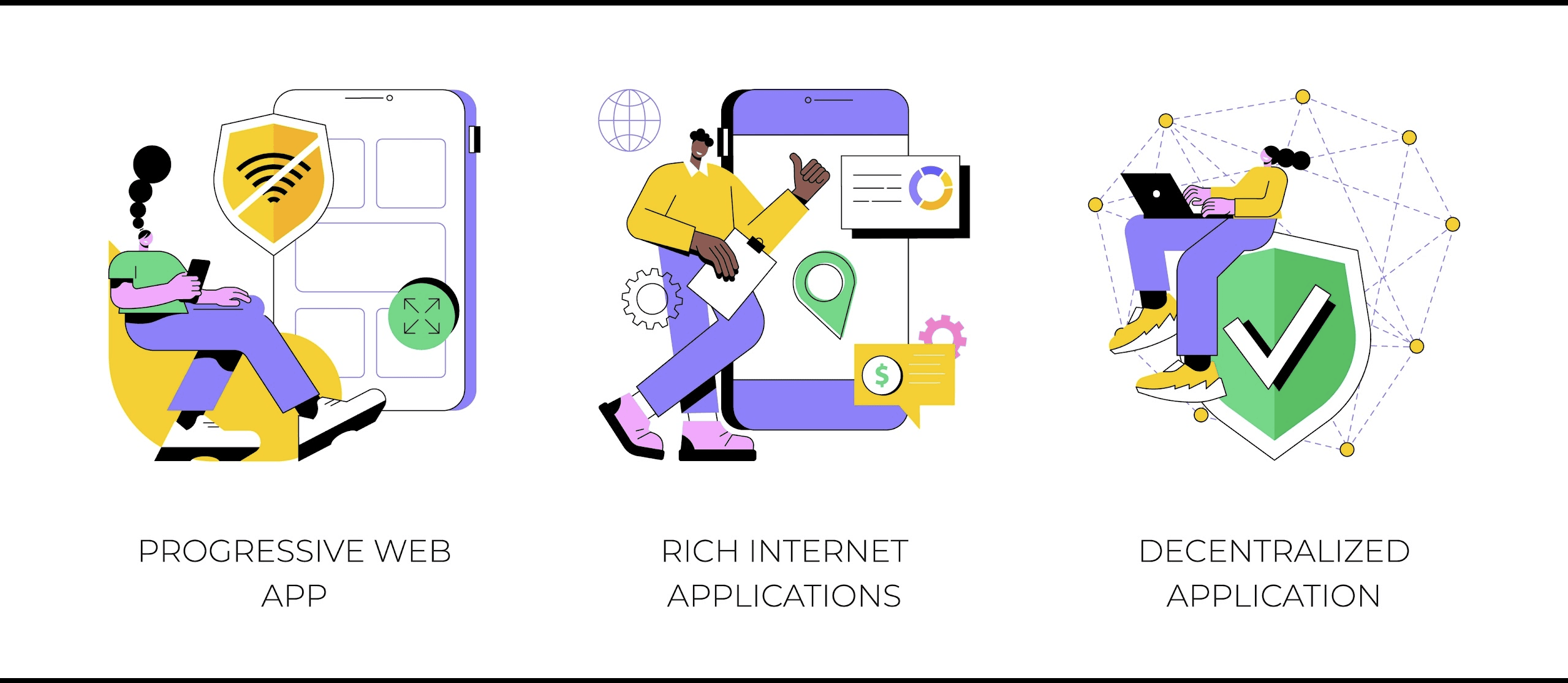
Key Features of DEX PlatformsKey Features Highlight Security, Liquidity, And User Experience Across DEX Platforms. Image via Shutterstock

Decentralized exchanges thrive on transparency, code reliability, and open accessibility. But not all DEXs are built equal. The most successful ones combine strong liquidity foundations, low-cost execution, and composability with other DeFi layers. These five features define why certain platforms dominate the 2026 landscape while others fade.

Non-Custodial Control

The central principle of any DEX is user ownership of funds. Unlike centralized exchanges, traders never deposit tokens into a company wallet. Instead, smart contracts handle swaps directly from self-custodied wallets like MetaMask, Rabby, Phantom, or Ledger.

This design eliminates counterparty risk with no withdrawal freezes, no insolvency exposure. When the swap executes, assets move transparently on-chain, verifiable by anyone. In 2026, protocols such as Uniswap, THORChain, and dYdX Chain extend this further by offering self-custodial margin trading and cross-chain swaps with zero intermediaries

The key thing is that custody defines trust. The moment funds leave your wallet, only when a transaction finalizes, you’re operating trustlessly.

Liquidity & Yield Depth

Liquidity is the lifeblood of every exchange. DEXs solve this through Automated Market Makers (AMMs), where anyone can become a liquidity provider. By depositing token pairs, users earn swap fees proportional to their pool share.

Leading protocols now offer concentrated liquidity, allowing providers to target specific price ranges for better capital efficiency. Uniswap V4, for instance, enables dynamic rebalancing through programmable hooks, while Curve’s stablecoin pools and Balancer’s weighted pools specialize in minimizing slippage for volatile or pegged assets.

Smart Contracts & Transparency

Every transaction on a DEX is powered by verifiable smart contracts. These contracts execute swaps, allocate fees, and update liquidity positions without intermediaries. The transparency is absolute, the code is open-source, and every movement of tokens can be audited on-chain.

Protocols like Balancer, dYdX Chain, and Hyperliquid publish full audit trails and bug bounties. Users can see pool balances, past trades, and contract versions before interacting. This visibility makes DEXs more accountable than most centralized systems, where order matching is opaque.

Smart contracts have matured over the years. Now smart contracts have layered security measures, multi-sig governance, DAO voting, and real-time monitoring tools like DefiLlama Risk Dashboard. This creates a level of operational integrity unmatched by custodial platforms.

Cross-Chain Interoperability

With over a dozen active Layer-1 and Layer-2 ecosystems, liquidity fragmentation is a major challenge. Modern DEXs address this through cross-chain architecture, bridging isolated liquidity pools into a unified trading experience.

THORChain pioneered native Bitcoin swaps without wrapping. Osmosis connects over 80 Cosmos app-chains via IBC (Inter-Blockchain Communication). Aggregators like 1inch and CoW Swap route across multiple networks to find the most efficient execution path.

Meanwhile, protocols on Layer-2s like Arbitrum, Base, and Optimism use rollup technology to reduce fees by over 90% while maintaining Ethereum-level security

The best DEXs no longer live on one chain, but across all of them. Here is our guide to understanding blockchain interoperability

Fees & Cost Efficiency

DEX economics vary widely, but fees directly determine a trader’s profitability and a protocol’s competitiveness. Unlike centralized exchanges that charge fixed rates, DEX fees are dynamic, so they are adjusted as per the pool, per asset, and sometimes even per liquidity condition.

Layer-2 ecosystems such as Arbitrum, Optimism, and Base have dramatically reduced Ethereum’s gas overhead, making small trades practical again. Solana and BNB Chain, with sub-cent transaction costs, now process millions of micro-swaps daily

DEX vs CEX: Which Is Better for You?

DEX vs CEX DEX Vs CEX Comparison Reveals Control, Security, And Convenience Trade-Offs. Image via Shutterstock

The decentralized vs centralized debate has matured beyond ideology. In 2026, the question isn’t which is superior, but which suits your trading profile. Both DEXs and CEXs play vital roles in liquidity flow, regulation, and accessibility of Defi. The difference is that they simply optimize for different user needs.

Trading Architecture and Custody

Centralized exchanges (CEXs) function as intermediaries, holding users’ funds in custodial wallets and executing trades off-chain. This model delivers speed and familiarity but demands trust. Withdrawals can be paused, and internal ledgers aren’t publicly auditable.

DEXs flip that structure entirely. Transactions settle directly on-chain, and users never hand over private keys. Liquidity pools and smart contracts replace order books, and every trade is verifiable. Self-custody and transparency form the backbone of the DEX model, removing reliance on centralized operators

Liquidity and Market Depth

CEXs aggregate liquidity in a single order book, often providing tighter spreads and faster execution, which is critical for high-frequency traders. Exchanges like Binance, OKX, and Coinbase maintain multi-billion-dollar daily liquidity buffers, enabling institutional-grade execution speed.

DEXs, however, are catching up fast. The top five decentralized venues, Uniswap, PancakeSwap, Curve, dYdX, and THORChain, handle over $15 billion in daily combined volume, with Uniswap alone commanding ~45% of the DEX market share

The introduction of concentrated liquidity (Uniswap V3/V4) has narrowed the gap between on-chain and centralized liquidity efficiency.

Speed, Fees, and Accessibility

CEXs process trades off-chain, enabling near-instant confirmations with predictable fees. But those savings come at the cost of transparency; users rely on the exchange’s integrity for accurate pricing.

Modern DEXs on Layer-2s (like Arbitrum and Base) and high-throughput chains (like Solana) have reduced latency to under a second and transaction costs to a fraction of a cent. Tools like 1inch and CoW Swap also auto-route trades for optimal execution, often rivaling CEX pricing in aggregate efficiency.

Security and Trust

CEXs are high-value targets. A single breach or regulatory freeze can jeopardize billions in user funds. Despite improved custody standards, they remain points of failure.

DEXs distribute that risk across open smart contracts, validators, and DAOs. Exploits do occur, such as THORChain’s 2021 attack, for instance, but code transparency allows faster recovery and community oversight. Moreover, DEX users maintain control; no one can lock or confiscate funds.

ParameterDEXCEX
CustodySelf-custodialExchange-controlled
TransparencyFull on-chain dataInternal ledger only
Speed<1s on L2 / SolanaInstant (off-chain)
Fiat SupportLimitedExtensive
Liquidity DepthHigh on majorsDeep across all pairs
Fees0.05–0.3% avg0.1–0.2% avg
Risk ExposureSmart contract riskCustodial + regulatory
AccessibilityGlobal, wallet-basedKYC-dependent
Trust ModelCode-basedInstitution-based

Bottom line:

  • CEXs win on onboarding, fiat support, and speed.
  • DEXs win on transparency, autonomy, and cross-chain reach.

Together, they define a dual ecosystem of CEXs as gateways and DEXs as settlement layers.

Risk Management for DEX Trading

Risk Management DEXRisk Management In DEX Trading Focuses On Volatility, Slippage, And Smart Contract Safety. Image via Shutterstock

Trading on decentralized exchanges offers unmatched autonomy, but it also shifts all responsibility to the user. Without centralized oversight, one must understand and mitigate the specific risks that come with on-chain execution. From smart-contract exploits to liquidity pitfalls, effective risk management separates sustainable DeFi participation from costly mistakes.

Smart-Contract Risk

Every DEX is powered by smart contracts, which are self-executing codes governing swaps, fees, and liquidity. A single vulnerability can expose millions of assets. Exploits like the THORChain 2021 breach or faulty pool logic on smaller forks remind traders that open source doesn’t mean invincible.

How to manage:

  • Trade only on audited DEXs (Uniswap, Curve, dYdX, and THORChain regularly undergo external code reviews).
  • Check audit history on platforms like CertiK or Code4rena.
  • Revoke token approvals after use using tools like Revoke.cash or DeBank.
  • Avoid unverified contracts or pools offering unrealistically high yields.

Slippage & MEV Risk

Slippage occurs when the final execution price differs from the quoted price, especially during volatile markets or thin liquidity periods. Meanwhile, Miner Extractable Value (MEV) bots front-run or sandwich trades to profit from order flow visibility.

How to manage:

  • Set strict slippage tolerances (0.5% or less for stable pairs).
  • Use MEV-protected RPC endpoints (Flashbots Protect, Eden Network).
  • Break large trades into smaller orders to reduce front-running visibility.
  • On aggregators like 1inch or Cow Swap, enable gas optimization to minimize on-chain exposure time.

Impermanent Loss (IL)

Impermanent loss affects liquidity providers when asset prices diverge from their initial deposit ratio. It’s most common in volatile pairs where one token appreciates faster than the other.

How to manage:

  • Stick to correlated or stable pairs (USDT/USDC, ETH/stETH).
  • Use concentrated liquidity pools like Uniswap V3/V4, which allow targeted price ranges.
  • Hedge exposure via stablecoin rebalancing or delta-neutral positions.
  • Track IL metrics with tools like APY. Vision or DefiLlama Pools.

Rug Pulls & Scam Tokens

DEX freedom comes with open listing risk. Anyone can deploy a token and create a liquidity pool, be it legitimate or not. Rug pulls occur when developers drain liquidity, leaving holders with worthless tokens.

How to manage:

  • Verify token contracts via Etherscan, Solscan, or BscScan.
  • Check liquidity lock duration on Team Finance or Unicrypt.
  • Avoid pools with anonymous teams and no audits.
  • Use DEX interfaces like Uniswap, which filter verified tokens by default.

Here are the top scams to watch out for if you are just stepping into the decentralized world.

Network/Gas Risks

Gas fees and network congestion can erode profit margins or even cause transaction failures. Layer-1 congestion (especially on Ethereum) spikes costs during volatile events.

How to manage:

  • Schedule swaps during low network usage (early UTC hours).
  • Use Layer-2 networks like Arbitrum, Base, or Optimism for lower fees.
  • Maintain a buffer of native tokens for gas (ETH, SOL, or BNB).
  • Confirm slippage settings before signing transactions to avoid failed swaps.
Risk TypeWhat It MeansImpactHow to Mitigate
Smart-Contract RiskCode exploit or logic failureFund lossTrade on audited DEXs, revoke approvals
Slippage / MEVPrice change or front-runningWorse executionSet tolerance, use MEV-protected RPCs
Impermanent LossLP value drop from volatilityLower yieldProvide liquidity in stable pairs
Rug PullsFraudulent token or poolTotal lossVerify contract & lock data
Gas VolatilityFee spikes, failed swapsReduced profitUse L2s, schedule off-peak trades

How to Start Trading on a DEX (Step-by-Step)

Step 1: The first step before we begin trading is to select a crypto wallet that supports your preferred blockchain. Top picks include MetaMask, Coinbase Wallet, and Trust Wallet. For large funds, use hardware wallets like Ledger or Trezor

Step 2: Pick a DEX that matches your chain and trading style, for instance, Uniswap for Ethereum, PancakeSwap for BNB Chain, or Osmosis for Cosmos. Compare swap fees, token availability, and liquidity before choosing

Step 3: Fund Your Wallet. Buy crypto from a centralized exchange (CEX) and withdraw to your wallet, or use fiat on-ramps like MoonPay or Ramp Network. You can also bridge assets from another chain to start trading

Step 4: Connect and Trade. Select your trading pair, check price impact and fees, set slippage tolerance (typically 0.5%–1%), and confirm the transaction.

Best security practices to follow include:

  • Verify contract addresses from official sources.
  • Start with small test swaps.
  • Avoid excessive token approvals.
  • Never share your seed phrase.
  • Use a hardware wallet for long-term or high-value holdings

Taxes & Record-Keeping 

Taxes And Record-Keeping Ensure Compliance And Transparency In Decentralized Trading Activities. Image via Shutterstock

Trading on decentralized exchanges carries the same tax obligations as centralized platforms. Each swap, liquidity provision, or yield withdrawal can be classified as a taxable event, depending on your jurisdiction.

Understanding DEX Tax Obligations

When you trade, stake, or swap tokens on a DEX, you trigger a capital gain or loss. Since these actions are on-chain, the responsibility for documentation lies entirely with the user. Unlike CEXs, DEXs do not issue transaction summaries or annual reports.

Most countries now require traders to record:

  • Transaction hashes
  • Date and time of swap
  • Asset values at transaction time (in fiat)
  • Wallet addresses and counterparty tokens

Failing to track these accurately can result in compliance penalties or reporting gaps. Here is a guide to crypto taxes and the obligations for crypto owners in 2026.

How to Keep Records Efficiently

  • Export data regularly from platforms like DeBank, Zapper, or the DEX itself.
  • Use blockchain explorers (Etherscan, Solscan, etc.) to retrieve historical swaps.
  • Integrate tools such as Koinly, CoinTracking, or ZenLedger to automate gain/loss calculations.
  • Save CSV exports monthly to prevent data loss or RPC node resets

Software Integrations for Accuracy

Most modern tax platforms now support wallet sync via APIs or read-only keys. For multi-chain portfolios, cross-chain tax tools automatically recognize swaps, LP rewards, and staking yields across Ethereum, BNB, Solana, and Cosmos.

Some DEXs also provide built-in reporting APIs, letting you sync your wallet with accounting software directly. Never share private keys or seed phrases when linking wallets. Tax software only needs read-only public addresses. Always double-check app permissions before connecting.


Join_The_Coin_Bureau_Club_Inline_7755aab52f

Conclusion: Find the Right DEX for Your Needs

DEXs have grown from being experimental AMMs to the hub of on-chain trading. In 2026, they combine liquidity depth, composability, and transparency with near-CEX speed. Still, the best DEX isn’t universal; it depends on intent. Active traders may prefer dYdX or Hyperliquid for low latency and leverage. Casual users might stay with Uniswap, PancakeSwap, or Curve for predictable fees and simple swaps.

The most sustainable approach is gradual adoption. Start with smaller trades, verify execution on a single chain, and only scale once you understand slippage, fee tiers, and gas timing. Track every transaction for tax and compliance, and keep strict custody of your keys. In DeFi, control equals responsibility.

Further Reading

Editorial Standards
Why You Can Trust The Coin Bureau

We do the digging, the testing, and the updating, so readers get crypto education that is clear, grounded, and built on real editorial work, not fluff wrapped in buzzwords.

50+ Years
Combined editorial experience

Combined experience in journalism across our writers and editors, covering finance, technology, and global markets long before crypto went mainstream.

25+ Hours / Week
Active testing and updates

Dedicated to hands-on testing, research, and content updates so pages do not gather digital dust.

90K
Monthly readers

Monthly readers who rely on The Coin Bureau for clear, unbiased crypto education and analysis.

Expert-Led Editorial Team

Our content is written and reviewed by specialists, not anonymous freelancers or AI-only pipelines.

Frequently Asked Questions

Devansh Juneja

Devansh Juneja

Adept at leading editorial teams and executing SEO-driven content strategies, Devansh Juneja is an accomplished content writer with over three years of experience in Web3 journalism and technical writing. 

His expertise spans blockchain concepts, including Zero-Knowledge Proofs and Bitcoin Ordinals. Along with his strong finance and accounting background from ACCA affiliation, he has honed the art of storytelling and industry knowledge at the intersection of fintech.

Related Posts

DPEX Review 2024: Unveiling the DPEX Decentralized Exchange
Review

November 24th, 2023

DPEX Review 2024: Unveiling the DPEX Decentralized Exchange

By Editorial Team

Bisq Review 2026: The MOST Decentralized Exchange?
Review

December 6th, 2024

Bisq Review 2026: The MOST Decentralized Exchange?

By Tayler McCracken

DEX Marks the Spot: Digging into Decentralised Exchanges
Analysis

April 17th, 2024

DEX Marks the Spot: Digging into Decentralised Exchanges

The article explores the rise of decentralized exchanges (DEXs) and their impact on the financial landscape. It begins by highlighting the introduction of the first DEX, EtherDelta, in 2016, which allowed for anonymous token swaps and challenged traditional financial systems. Despite being shut down by the SEC, EtherDelta paved the way for other DEX platforms. The article then delves into the concept of DEXs, which act as direct intermediaries between participants looking to exchange cryptocurrencies. DEXs operate on automated protocols, allowing for peer-to-peer trading without the need for intermediaries. They offer benefits such as increased security, privacy, transparency, and lower trading costs compared to centralized exchanges (CEXs). Several prominent DEX platforms are discussed, including Uniswap, PancakeSwap, and SushiSwap. Uniswap, known for its automated market maker (AMM) system, is continuously pushing boundaries and working on new features to empower users. PancakeSwap, operating on the Binance Smart Chain, focuses on deflationary measures and rewards stakers of its native token. SushiSwap, initially a Uniswap clone, has differentiated itself by introducing innovative features such as the Kashi lending platform. The article also discusses DEXs operating in other ecosystems, such as Orderly Network on the NEAR Protocol, Raydium on Solana, and Osmosis DEX on Cosmos. These DEXs aim to improve interoperability, scalability, and transaction speed within their respective ecosystems. The benefits of DEXs are explored, including non-custodial nature, increased privacy, accessibility, early access to new tokens, and lower transaction costs. However, DEXs also face challenges and limitations such as regulatory hurdles, technical issues, liquidity constraints, scalability concerns, and security risks. Case studies and real-world impacts of DEXs are highlighted, showcasing their role in lowering transaction costs, accessing financial services, innovation in financial products, and impacting traditional financial services. The article concludes by discussing future trends and innovations in DEX technology. Layer 2 solutions, cross-chain interoperability, and advancements in blockchain infrastructure are expected to enhance scalability, efficiency, and usability of DEXs. Overall, the article paints a comprehensive picture of the rise of DEXs, their benefits, challenges, and future prospects in revolutionizing the financial industry.

By Nic Puckrin

Join the Coin Bureau Club

Get exclusive access to premium content, member-only tools, and the inside track on everything crypto.

Stay Ahead with Our Newsletter

Weekly crypto insights, expert guides, and in-depth research—delivered straight to your inbox. Stay informed, for free.